


Ambergris
-


Dear Karma
Dear Karma opens with an icy, almost witchy bite, absinthe and neroli, more...Regular price From $54.00Regular price -

Ciao
Ciao opens like the first glass of the evening, with bergamot and, more...Regular price $260.00Regular price -

Pure Diamond
Pure Diamond is built on clarity: mineral, luminous, cut with precision like, more...Regular price $295.00Regular price -

What About Pop
There's a hush just before the lights dim and the first handful, more...Regular price $260.00Regular price$0.00Sale price $260.00 -


Lune Féline Extrait
The Extrait version of Lune Féline keeps the same nocturnal spirit, cinnamon,, more...Regular price $445.00Regular price -


Lune Féline
Lune Féline moves like moonlight across dark water, spiced and a little, more...Regular price $330.00Regular price$0.00Sale price $330.00 -
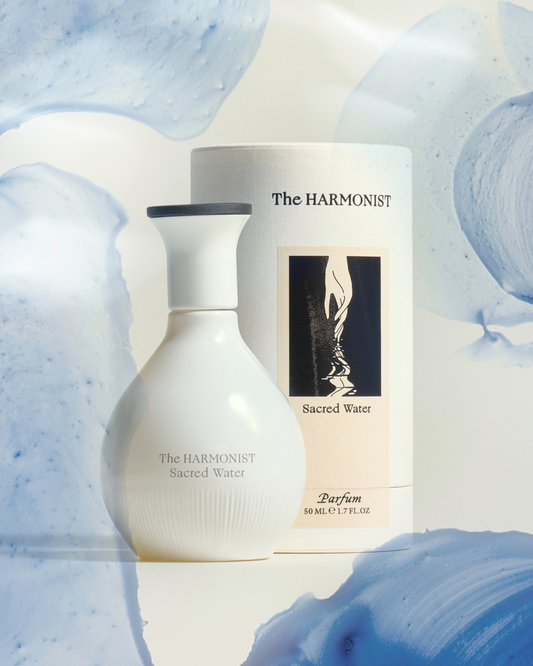

Sacred Water
Sacred Water moves the way the sea does, restless and bright one, more...Regular price $285.00Regular price -


Fortis
Fortis moves like ink across paper, dark and deliberate. Saffron strikes the, more...Regular price $136.00Regular price$0.00Sale price $136.00 -


Town & Country
Town & Country reaches back to a fragrance first formulated in 1925, more...Regular price $500.00Regular price -


Fleur de Lalita
Fleur de Lalita gathers the finest flowers of Grasse into one exuberant, more...Regular price From $125.00Regular price$0.00Sale price From $125.00 -


Tales Of Amber
by Goldfield & Banks Australia
At its core is ambergris from New Zealand, a rare treasure washed, more...Regular price From $73.00Regular price$0.00Sale price From $73.00 -

Emerald Green
Emerald Green honours the emerald parure Prince Albert commissioned for Queen Victoria,, more...Regular price $295.00Regular price$0.00Sale price $295.00


