


Ambroxan
-


Île Pourpre
Île Pourpre opens crisp and green, shiso and bergamot sparking against a, more...Regular price $200.00Regular price$0.00Sale price $200.00 -


312 Saint-Honoré
by BDK Parfums
312 Saint-Honoré takes its name and its mood from the address of, more...Regular price From $60.00Regular price -
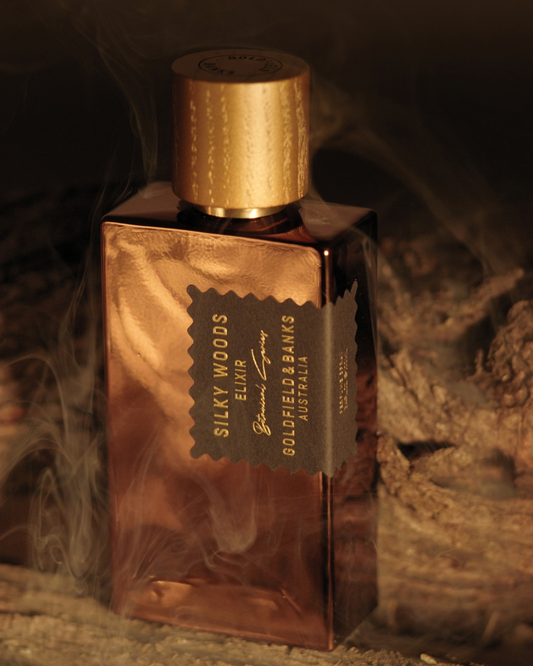

Silky Woods Elixir
by Goldfield & Banks Australia
Where the original Silky Woods stays delicate, this extrait pushes the same, more...Regular price From $73.00Regular price -


Rouge Smoking Extrait de Parfum
by BDK Parfums
Rouge Smoking Extrait de Parfum takes the same Pigalle energy and gives, more...Regular price From $80.00Regular price -


Rouge Smoking
by BDK Parfums
Rouge Smoking is Pigalle after dark, when the neon flickers red through, more...Regular price From $60.00Regular price$0.00Sale price From $60.00 -


Sel D'Argent
by BDK Parfums
Sel d'Argent lands you on the rocks of Corsica late in the, more...Regular price $290.00Regular price$0.00Sale price $290.00 -

Nuda Veritas Extrait
The Extrait takes the same starting point as the original Nuda Veritas,, more...Regular price $415.00Regular price -


Oud Abramad
by BDK Parfums
Oud Abramad opens at dawn, when heavy doors close on a palace, more...Regular price From $60.00Regular price$0.00Sale price From $60.00 -


Nuda Veritas
Nuda Veritas takes its name from truth laid bare, and it opens, more...Regular price $275.00Regular price$0.00Sale price $275.00 -

E Cashmere Musk
E Cashmere Musk is built around a single sensation: the soft, enveloping, more...Regular price $430.00Regular price -

Abyssis
Abyssis opens with a cold, mineral snap, black and white pepper crackling, more...Regular price $200.00Regular price$0.00Sale price $200.00 -


Blanc Polychrome
Blanc Polychrome moves with the casual confidence of a cologne, bright and, more...Regular price $275.00Regular price$0.00Sale price $275.00


