


Amyris
-


Rose Magnitude
by Goldfield & Banks Australia
A rose taken from a formal garden and left instead beside a, more...Regular price From $59.00Regular price$0.00Sale price From $59.00 -

Gambling
Gambling sets the scene of a smoky, late-night card table, cards face, more...Regular price $260.00Regular price -
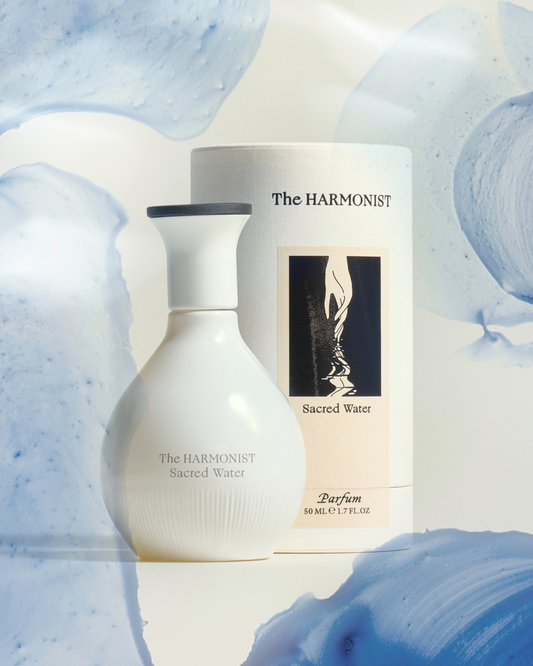

Sacred Water
Sacred Water moves the way the sea does, restless and bright one, more...Regular price $285.00Regular price -


Fortis
Fortis moves like ink across paper, dark and deliberate. Saffron strikes the, more...Regular price $136.00Regular price$0.00Sale price $136.00 -

Rosarine
Rosarine takes its name from a Thai phrase for the queen of, more...Regular price From $210.00Regular price -

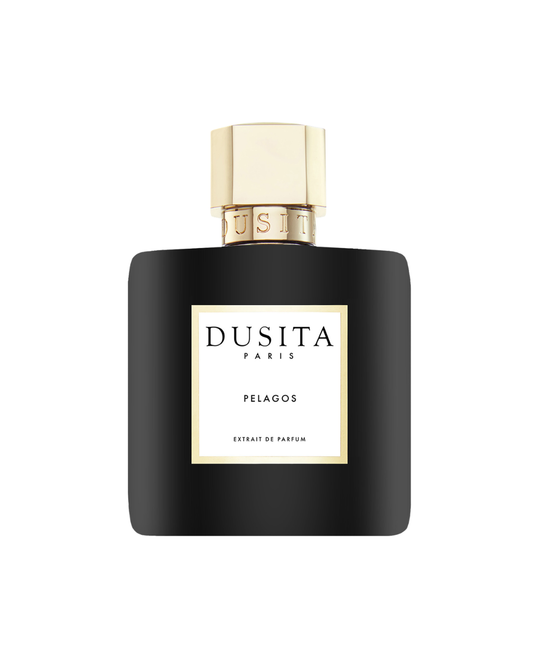
Pelagos
Pelagos conjures a sail across the open sea into a headwind, then, more...Regular price From $110.00Regular price -

Navis
Navis smells like a boat pushed out at dawn, pink peppercorn crackling, more...Regular price $200.00Regular price$0.00Sale price $200.00 -


Velvet Tonka
by BDK Parfums
Tonka bean is a contrary ingredient, reading as vanilla one moment and, more...Regular price From $60.00Regular price$0.00Sale price From $60.00


