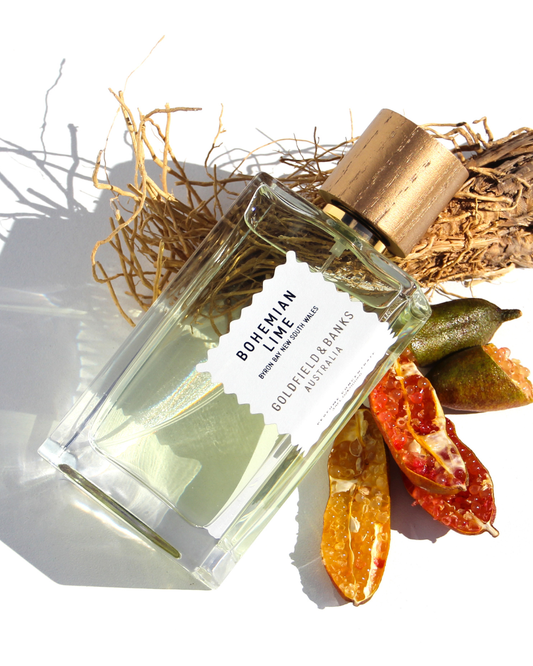
Aromatic greens in perfume is an umbrella note for fresh, leafy herbs and green plants, combining the crispness of foliage with the cool, herbal and slightly camphorous character of aromatic herbs such as basil, sage, mint and rosemary. It sits between the green and aromatic families and gives fragrances an energetic, outdoor freshness.
What does Aromatic Greens smell like?
Aromatic greens smell like a handful of fresh garden herbs crushed with leaves: bright, leafy and sappy, with cool minty, peppery and slightly resinous accents. Unlike a pure green accord, which is mainly grassy and stemmy, aromatic greens have an extra herbal pungency; unlike a classic fougère, they are lighter and less sweet, with no heavy lavender-coumarin base.
How perfumers create Aromatic Greens
This is an accord built from herbal essential oils such as basil, sage, clary sage, mint, rosemary, thyme, artemisia and tarragon, combined with leafy green molecules including cis-3-hexenol and its esters, and naturals such as violet leaf, petitgrain and galbanum. Citrus often lifts the opening, and vetiver or light woods provide the base.
- Also known as: Green herbs, herbal greens, aromatic herbs
- Fragrance family: Aromatic / green
- Type: Accord (created by the perfumer)
- Key aroma molecules: cis-3-hexenol, linalool, 1,8-cineole, estragole-type and camphoraceous notes from herbs
Aromatic Greens in perfume history
Herbs have been used in perfume since the earliest colognes and Hungary waters, which relied on rosemary and other aromatics. The idea of combining herbs with fresh leafy notes developed through the 20th century, as green and aromatic styles grew, especially in men's fragrances.
Aromatic Greens in modern perfumery
Aromatic greens are popular in unisex fresh fragrances, natural and botanical niche lines, and modern colognes. They give an easy, clean freshness that works well in summer and in minimalist compositions.
How Aromatic Greens wears and what it pairs with
This note is most prominent in the top and heart, fading into woods and musks. It pairs with bergamot, lemon, grapefruit, lavender, vetiver, cedar, fig leaf and white musk.
Safety and regulation
Some herbal oils used in aromatic green accords contain linalool, limonene or other listed allergens that must be declared on EU labels above set thresholds, and certain herbs such as basil and tarragon contain estragole or methyl eugenol, which IFRA restricts.