


Australian Sandalwood
-


Cavatina
Cavatina is named for a short, lyrical piece of music, and it, more...Regular price From $125.00Regular price$0.00Sale price From $125.00 -
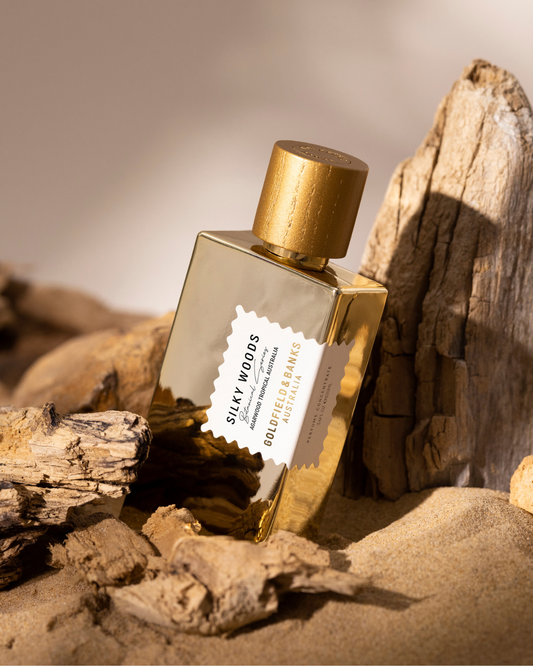

Silky Woods
by Goldfield & Banks Australia
Named for the agarwood harvested sustainably from Queensland's Daintree Rainforest, this was, more...Regular price From $59.00Regular price$0.00Sale price From $59.00 -
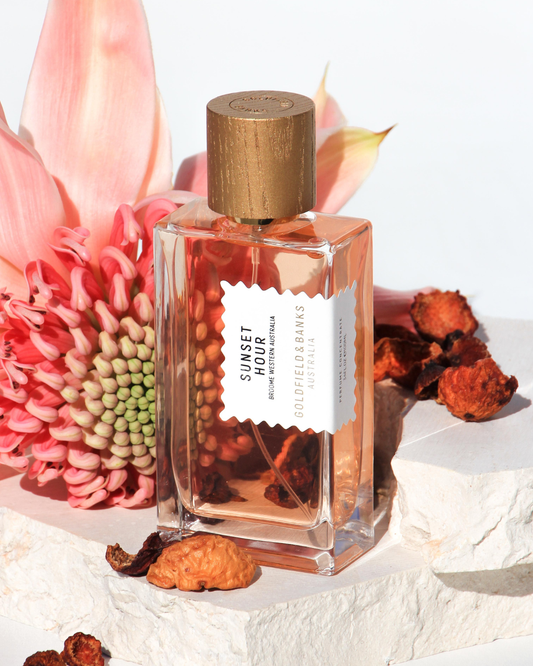

Sunset Hour
by Goldfield & Banks Australia
As the sun drops into the Indian Ocean off Western Australia, the, more...Regular price From $45.00Regular price$0.00Sale price From $45.00 -
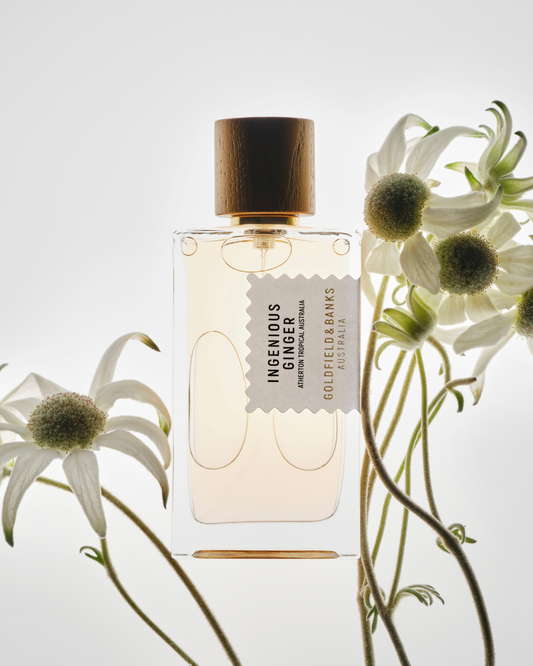
Ingenious Ginger
by Goldfield & Banks Australia
The torch ginger lily has almost no scent of its own, so, more...Regular price From $45.00Regular price$0.00Sale price From $45.00 -
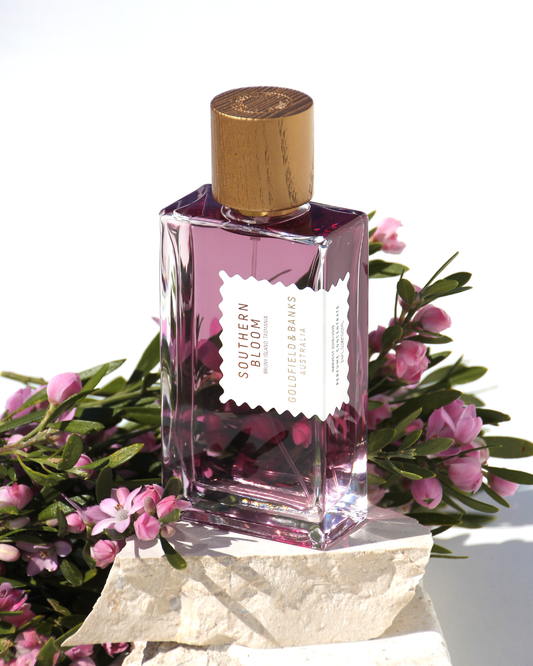

Southern Bloom
by Goldfield & Banks Australia
Every September, Tasmania's Bruny Island fills briefly with the scent of boronia,, more...Regular price From $45.00Regular price$0.00Sale price From $45.00 -


Ingenious Ginger 2026 Christmas Box
by Goldfield & Banks Australia
The Ingenious Ginger Christmas Set pairs the full 100 mL bottle with, more...Regular price $240.00Regular price -


Stellar Silk
by BDK Parfums
Sandalwood, treated less as a wood and more as a texture, is, more...Regular price From $295.00Regular price$0.00Sale price From $295.00 -


La Pavillion d'Or
Le Pavillon d'Or is built around the quiet joy of a mind, more...Regular price From $125.00Regular price$0.00Sale price From $125.00 -


Sunset Hour 2026 Christmas Box
by Goldfield & Banks Australia
As the sun drops into the Indian Ocean off Western Australia, the, more...Regular price $240.00Regular price$0.00Sale price $240.00 -


Silky Woods 2026 Christmas Box
by Goldfield & Banks Australia
Silky Woods arrives here as a pair, a full bottle alongside a, more...Regular price $300.00Regular price -


Anamcara
Anamcara takes its name from the Gaelic term for a soul friend,, more...Regular price From $125.00Regular price$0.00Sale price From $125.00


