


Bulgarian Rose
-

Violet Sapphire Supercharged
Violet Sapphire Supercharged takes its name from a colour rather than the, more...Regular price $1,440.00Regular price -
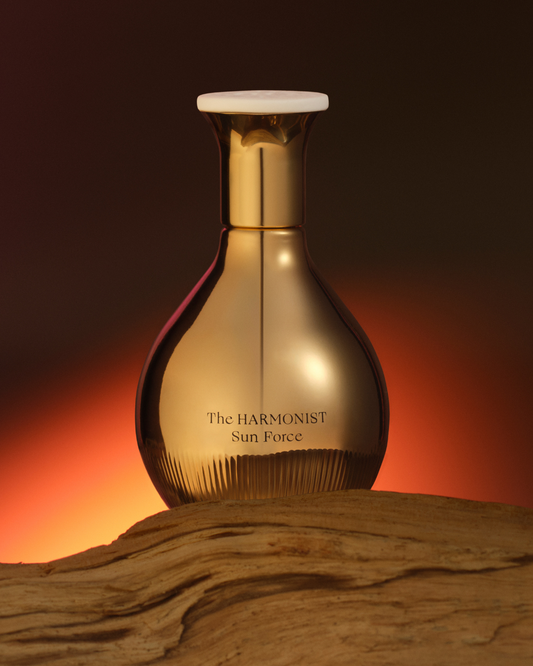

Sun Force
Sun Force is built around pure, uncomplicated vitality. Hawaiian pomelo opens it, more...Regular price $350.00Regular price -
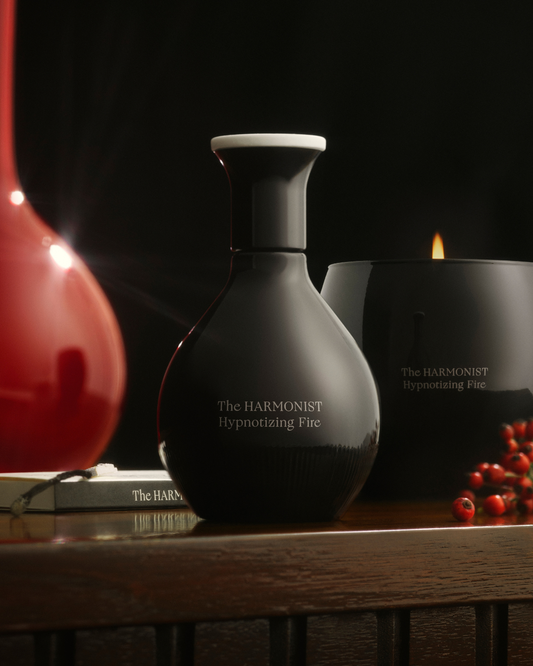

Hypnotizing Fire
Picture a candle flickering on a table set for two. Hypnotizing Fire, more...Regular price $320.00Regular price -


Villa Neroli
by BDK Parfums
Villa Neroli takes its cue from Capri, where the light of a, more...Regular price $290.00Regular price$0.00Sale price $290.00 -
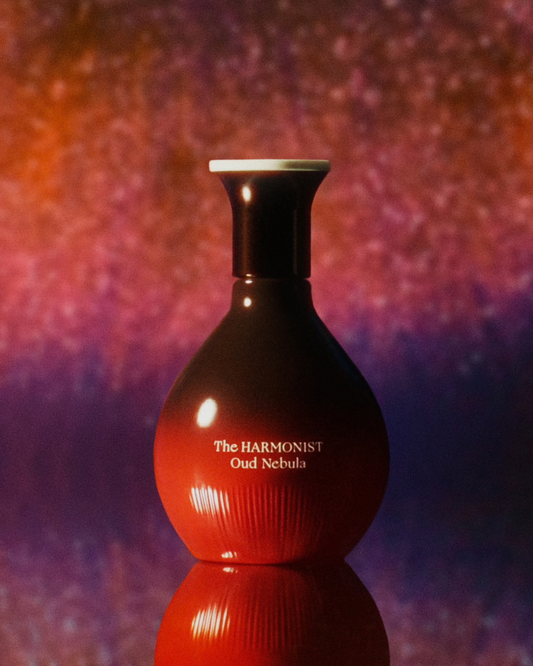

Oud Nebula
Oud Nebula opens the Nebula Collection with real intensity, built around oud, more...Regular price $350.00Regular price -

Rosarine
Rosarine takes its name from a Thai phrase for the queen of, more...Regular price From $210.00Regular price -
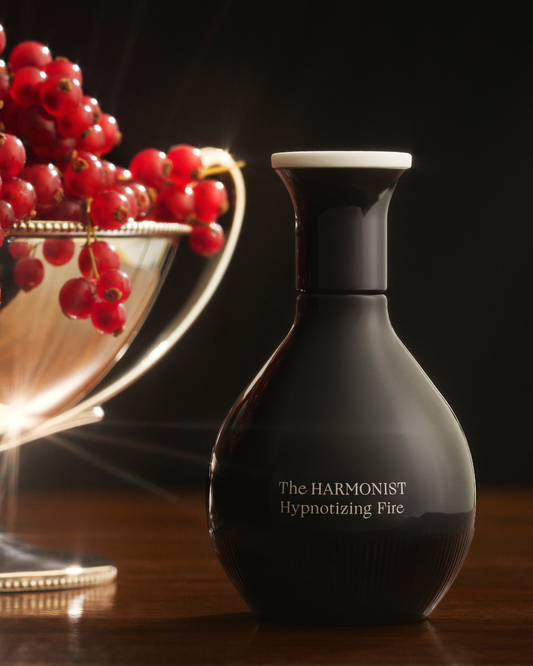
Hypnotizing Fire EDP
This eau de parfum takes Hypnotizing Fire's gourmand warmth and trims it, more...Regular price $250.00Regular price -
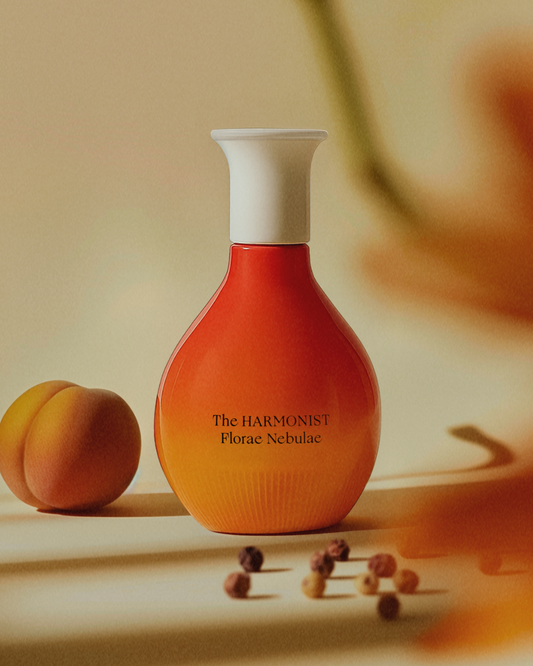
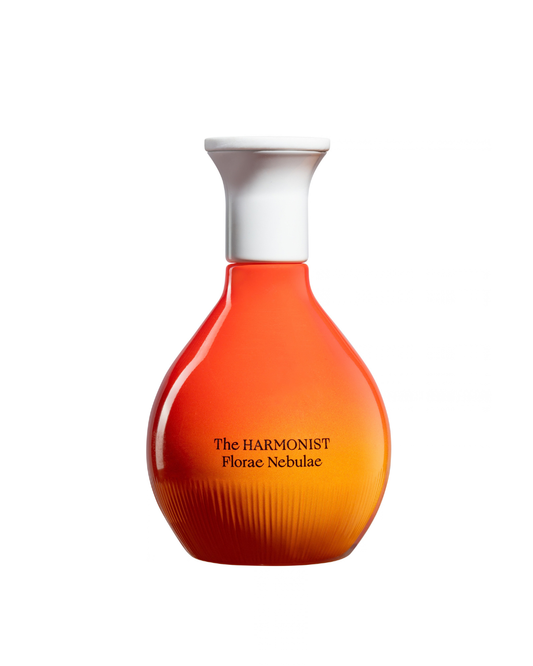
Florae Nebulae
Florae Nebulae is the softer half of the Nebula Collection, a cluster, more...Regular price $350.00Regular price -


Oud Paradisio
by BDK Parfums
Part of Collection Studio, where BDK borrows its textures from fashion, Oud, more...Regular price From $295.00Regular price$0.00Sale price From $295.00 -

Carbon Sapphire Supercharged
Carbon Sapphire Supercharged is built for the smallest hours of the night,, more...Regular price $1,440.00Regular price -

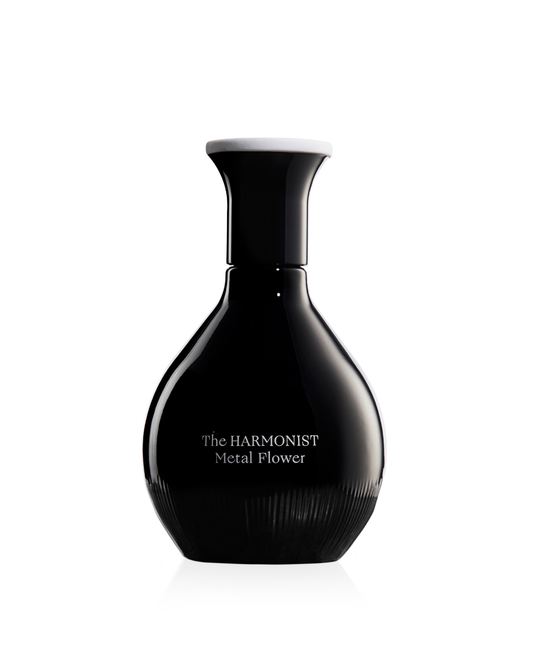
Metal Flower
Metal Flower takes the rose and keeps its thorns intact. Rosoxydes and, more...Regular price $320.00Regular price -


Impadia
by BDK Parfums
Impadia is built for the hour when Paris turns pink and orange, more...Regular price From $60.00Regular price$0.00Sale price From $60.00


