


Cardamom
-
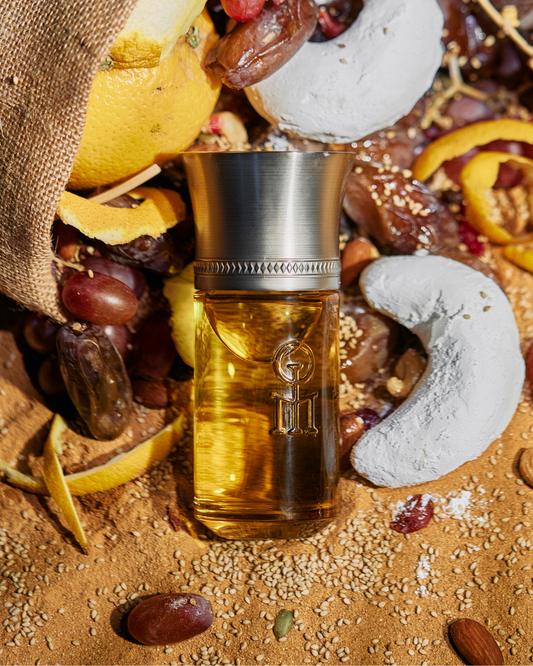

Désert Suave
Désert Suave opens like heat shimmering over sand, cardamom and mandarin bright, more...Regular price $200.00Regular price$0.00Sale price $200.00 -


Sancti
Sancti opens like light through a stained-glass window, bergamot and grapefruit catching, more...Regular price $200.00Regular price$0.00Sale price $200.00 -


Lune Féline
Lune Féline moves like moonlight across dark water, spiced and a little, more...Regular price $330.00Regular price$0.00Sale price $330.00 -


Almas
Almas is the Arabic word for diamond, and the fragrance is built, more...Regular price $935.00Regular price -

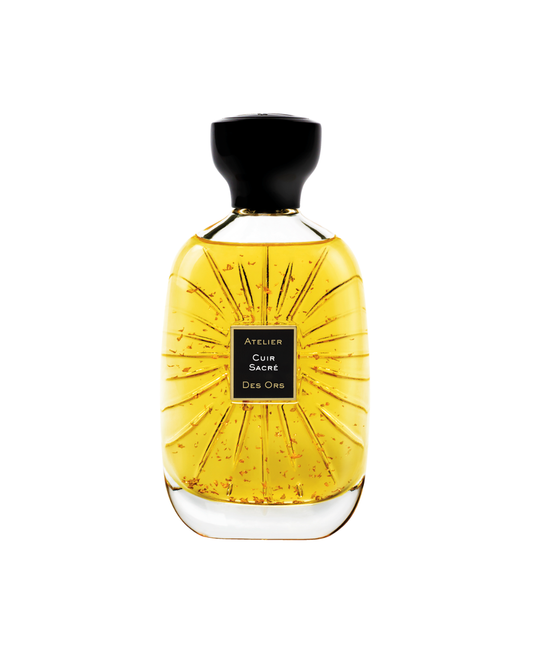
Cuir Sacré
Cuir Sacré was imagined on a walk through the old town of, more...Regular price $330.00Regular price$0.00Sale price $330.00 -


Mystic Bliss
by Goldfield & Banks Australia
Juicy fig and blackcurrant are sharpened by kunzea, an Australian native shrub, more...Regular price From $45.00Regular price$0.00Sale price From $45.00 -
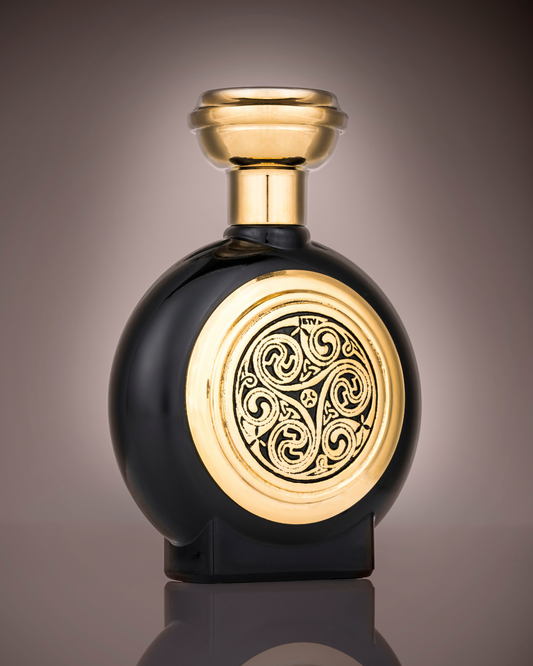

Angelic
Angelic plays on its own name, opening crisp and slightly tart with, more...Regular price $935.00Regular price -

Kawa Karda Extrait
Kawa Karda Extrait plays coffee and cardamom off each other like light, more...Regular price $490.00Regular price -


Monarch
Monarch carries itself with a certain reserve, the kind of scent that, more...Regular price $315.00Regular price -

Emerald Green
Emerald Green honours the emerald parure Prince Albert commissioned for Queen Victoria,, more...Regular price $295.00Regular price$0.00Sale price $295.00 -


No1 Feminine
No1 Feminine opens on a succulent mix of plum, white peach, lemon, more...Regular price $790.00Regular price -

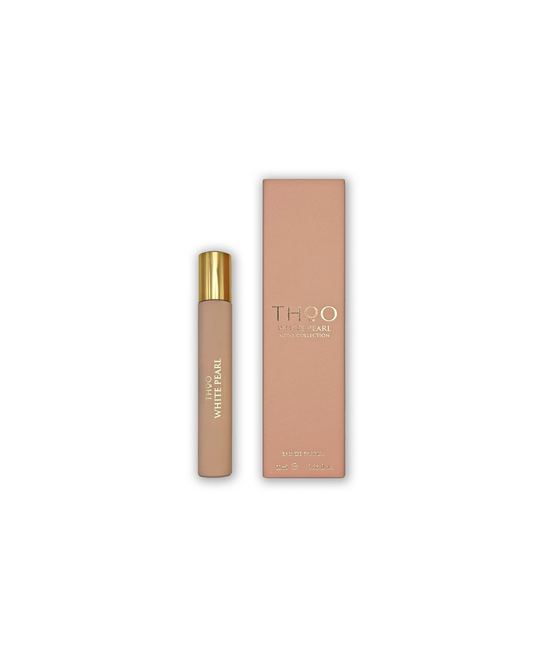
White Pearl
White Pearl draws on the lustre of Akoya pearls, and on the, more...Regular price From $54.00Regular price


