


Cashmeran
-

E Cashmere Musk
E Cashmere Musk is built around a single sensation: the soft, enveloping, more...Regular price $430.00Regular price -


Crème de Cuir
by BDK Parfums
Crème de Cuir arrives with the particular hush of Indian summer, when, more...Regular price From $60.00Regular price$0.00Sale price From $60.00 -


Pas Ce Soir
by BDK Parfums
Pas ce Soir belongs to a woman who never quite makes it, more...Regular price From $60.00Regular price$0.00Sale price From $60.00 -


Pas ce Soir Extrait de Parfum
by BDK Parfums
Pas ce Soir Extrait de Parfum keeps the original's cabaret spirit but, more...Regular price From $80.00Regular price -


Villa Neroli
by BDK Parfums
Villa Neroli takes its cue from Capri, where the light of a, more...Regular price $290.00Regular price$0.00Sale price $290.00 -

Amber Sapphire
Amber Sapphire opens with an odd, satisfying trick: the green citrus zing, more...Regular price $935.00Regular price -

Breath of the Infinite
Breath of the Infinite is Desert Day's scent for first light, a, more...Regular price $260.00Regular price$0.00Sale price $260.00 -


Île Pourpre
Île Pourpre opens crisp and green, shiso and bergamot sparking against a, more...Regular price $200.00Regular price$0.00Sale price $200.00 -

Opal
Opal takes its cue from the gemstone's iridescence, the way light shifts, more...Regular price $1,230.00Regular price -


Opulence
Opulence does not pretend to be subtle, opening with an intense collision, more...Regular price $1,880.00Regular price -


Sel D'Argent
by BDK Parfums
Sel d'Argent lands you on the rocks of Corsica late in the, more...Regular price $290.00Regular price$0.00Sale price $290.00 -

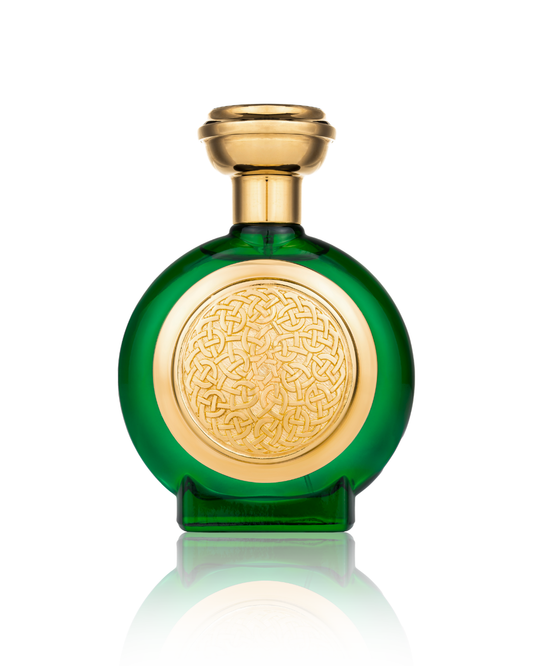
Knight of Love
Knight of Love borrows its name from the Arthurian tales of Gawain, more...Regular price $625.00Regular price


