


Cashmere Wood
-


Sunset Hour 2026 Christmas Box
by Goldfield & Banks Australia
As the sun drops into the Indian Ocean off Western Australia, the, more...Regular price $240.00Regular price$0.00Sale price $240.00 -


Hedonistic
Hedonistic, properly known as Jump up and Kiss Me Hedonistic, doesn't pretend, more...Regular price $610.00Regular price$0.00Sale price $610.00 -


Nemer
Nemer means tiger in Arabic, and the name points to Tiger Oud,, more...Regular price $625.00Regular price -

Iconic Feminine
Iconic Feminine reintroduces one of Clive Christian's most loved fragrances, opening on, more...Regular price $500.00Regular price -


Noir by Night
Noir by Night plays with contrast: an intensely elegant opening of incense, more...Regular price $330.00Regular price -

Amberwood
Amberwood captures amber at its most refined, smooth and almost translucent rather, more...Regular price $610.00Regular price$0.00Sale price $610.00 -
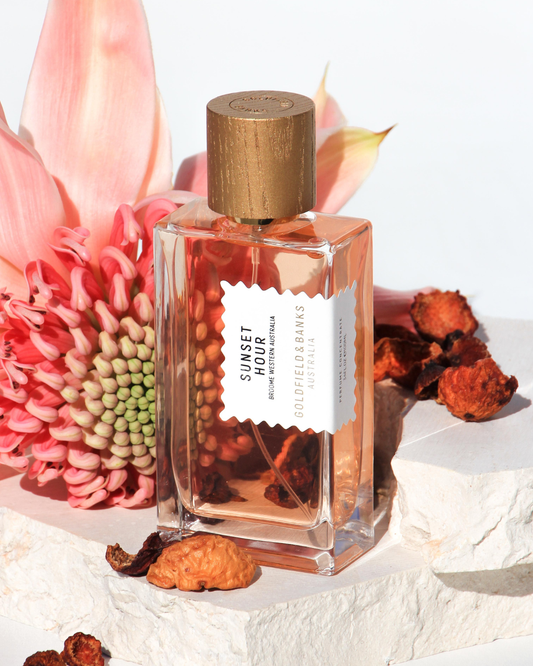

Sunset Hour
by Goldfield & Banks Australia
As the sun drops into the Indian Ocean off Western Australia, the, more...Regular price From $45.00Regular price$0.00Sale price From $45.00 -


Rouge Smoking
by BDK Parfums
Rouge Smoking is Pigalle after dark, when the neon flickers red through, more...Regular price From $60.00Regular price$0.00Sale price From $60.00 -


Harmonious
Harmonious opens somewhere between a spice cabinet and a cocktail cart, cardamom,, more...Regular price $390.00Regular price


