


Cinnamon
-


Montri
Montri is named for the poet father of Dusita's founder, and it, more...Regular price From $125.00Regular price$0.00Sale price From $125.00 -


Tales Of Amber
by Goldfield & Banks Australia
At its core is ambergris from New Zealand, a rare treasure washed, more...Regular price From $73.00Regular price$0.00Sale price From $73.00 -
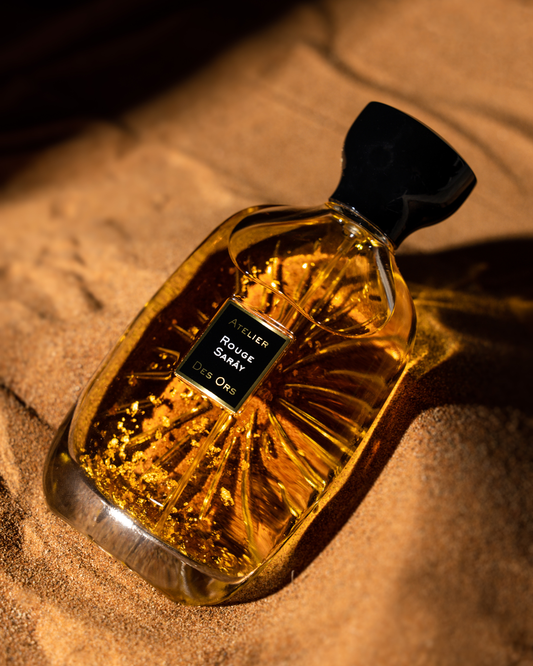

Rouge Sarây
Rouge Sarây imagines the caravans that once crossed the ancient trade routes, more...Regular price $330.00Regular price$0.00Sale price $330.00 -


Monarch
Monarch carries itself with a certain reserve, the kind of scent that, more...Regular price $315.00Regular price -

Amber Sapphire
Amber Sapphire opens with an odd, satisfying trick: the green citrus zing, more...Regular price $935.00Regular price -

Golden Powder
Golden Powder is Desert Day's ode to those who set out across, more...Regular price $260.00Regular price$0.00Sale price $260.00 -

Magnolia
Magnolia takes its cue from an era of pink-hued glamour and artistic, more...Regular price $610.00Regular price$0.00Sale price $610.00 -


Azrak
Azrak takes its name from the Arabic word for blue, though there's, more...Regular price $535.00Regular price -


Morning Star
Morning Star opens bright and warm, with bergamot and pink pepper sparked, more...Regular price $285.00Regular price$0.00Sale price $285.00 -


Dates Delight
Dates Delight speaks quietly, meant only for those who know how to, more...Regular price From $54.00Regular price$0.00Sale price From $54.00 -

Opal
Opal takes its cue from the gemstone's iridescence, the way light shifts, more...Regular price $1,230.00Regular price -


Stellar Silk
by BDK Parfums
Sandalwood, treated less as a wood and more as a texture, is, more...Regular price From $295.00Regular price$0.00Sale price From $295.00


