


Cloves
-
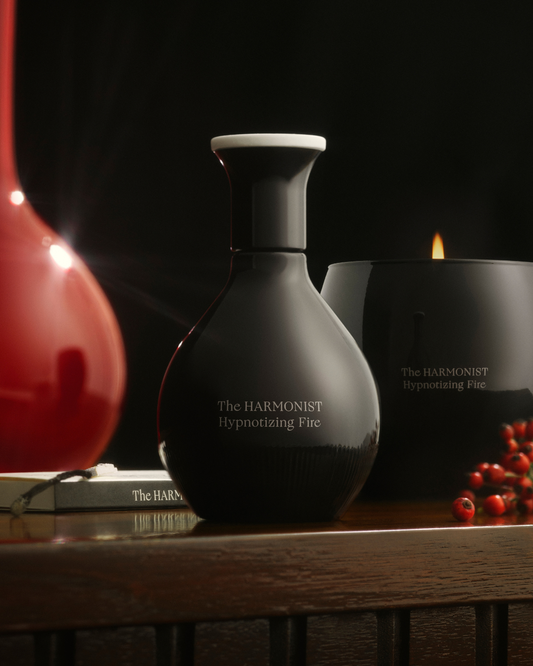

Hypnotizing Fire
Picture a candle flickering on a table set for two. Hypnotizing Fire, more...Regular price $320.00Regular price -


La Douceur de Siam
La Douceur de Siam feels like wandering into a spice garden after, more...Regular price From $125.00Regular price$0.00Sale price From $125.00 -
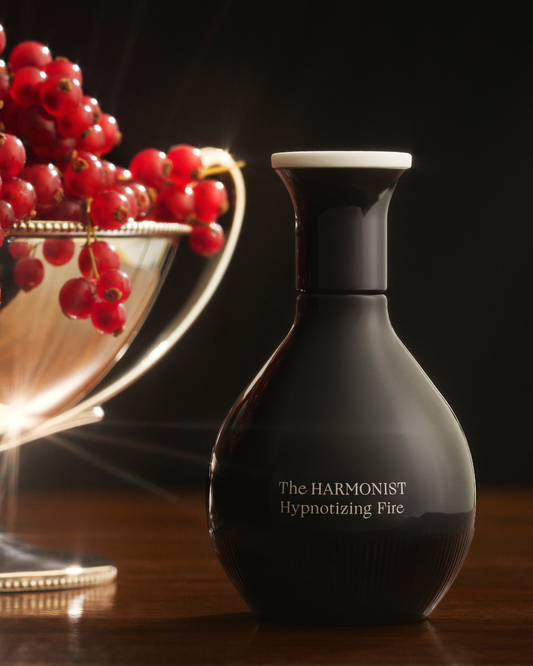
Hypnotizing Fire EDP
This eau de parfum takes Hypnotizing Fire's gourmand warmth and trims it, more...Regular price $250.00Regular price -


Dom Rosa
Dom Rosa pours on like pink champagne caught mid-toast, grapefruit and pear, more...Regular price $136.00Regular price$0.00Sale price $136.00 -

Magnolia
Magnolia takes its cue from an era of pink-hued glamour and artistic, more...Regular price $610.00Regular price$0.00Sale price $610.00 -

Beaute du Diable
Beauté du Diable opens on gin and absinthe, sharp and faintly illicit,, more...Regular price $280.00Regular price$0.00Sale price $280.00 -


Blue Cypress
by Goldfield & Banks Australia
Named for the cobalt-hued oil distilled from cypress trees in Kakadu, this, more...Regular price $240.00Regular price$0.00Sale price $240.00 -

Dom Rosa Millésimé
Dom Rosa Millésimé was created a decade after the original, as a, more...Regular price $280.00Regular price$0.00Sale price $280.00 -

Iconic Masculine
Iconic Masculine brings back one of the house's most cherished fragrances, opening, more...Regular price $500.00Regular price -


Bodacious
Bodacious is built for after dark, opening on cherry and almond sharpened, more...Regular price $390.00Regular price


