


Damask Rose
-


Dom Rosa
Dom Rosa pours on like pink champagne caught mid-toast, grapefruit and pear, more...Regular price $136.00Regular price$0.00Sale price $136.00 -

Dom Rosa Millésimé
Dom Rosa Millésimé was created a decade after the original, as a, more...Regular price $280.00Regular price$0.00Sale price $280.00 -

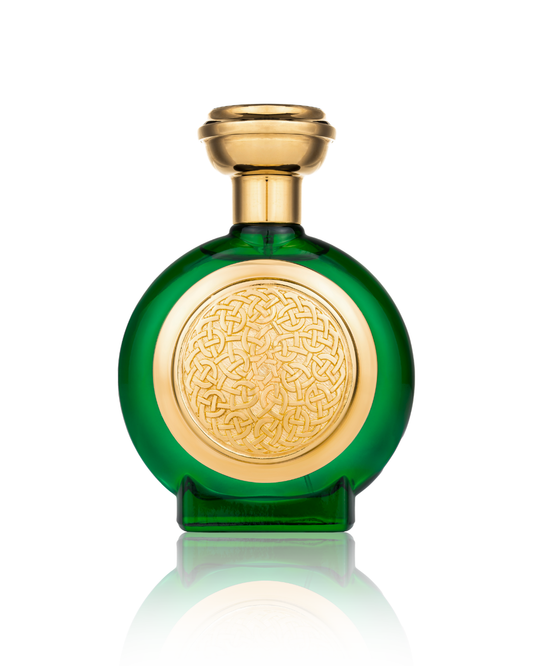
Knight of Love
Knight of Love borrows its name from the Arthurian tales of Gawain, more...Regular price $625.00Regular price -

Up To The Moon
Up To The Moon pairs fruit with light, opening on ripe pear, more...Regular price $260.00Regular price -


Hasu
Hasu is named for the Chinese Year of the Rabbit, a creature, more...Regular price $1,440.00Regular price -

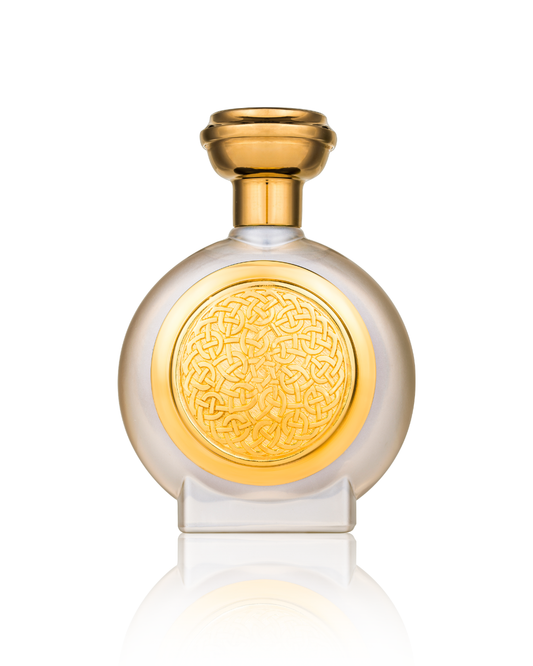
Jubilee
Jubilee opens on an unexpected note of pineapple, tropical and juicy against, more...Regular price $535.00Regular price -


Rose Magnitude
by Goldfield & Banks Australia
A rose taken from a formal garden and left instead beside a, more...Regular price From $59.00Regular price$0.00Sale price From $59.00 -

Iconic Feminine
Iconic Feminine reintroduces one of Clive Christian's most loved fragrances, opening on, more...Regular price $500.00Regular price -


Envious
Envious opens on a rush of bergamot and mandarin softened by sage,, more...Regular price $390.00Regular price -
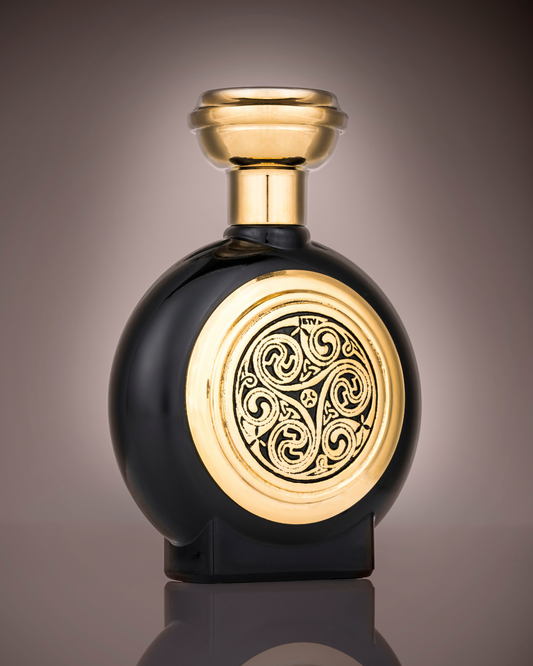

Angelic
Angelic plays on its own name, opening crisp and slightly tart with, more...Regular price $935.00Regular price -


Montri
Montri is named for the poet father of Dusita's founder, and it, more...Regular price From $125.00Regular price$0.00Sale price From $125.00


