


Ginger
-


Silver Ceremony
by BDK Parfums
Sequins catching the light gave BDK the idea for Silver Ceremony, and, more...Regular price From $295.00Regular price$0.00Sale price From $295.00 -
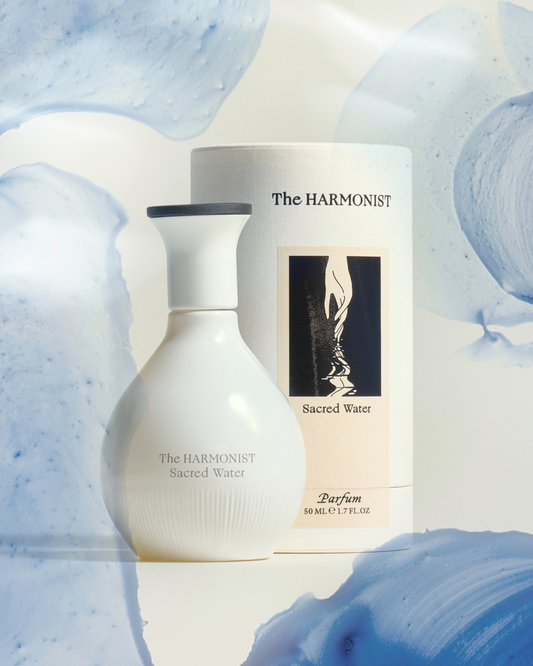

Sacred Water
Sacred Water moves the way the sea does, restless and bright one, more...Regular price $285.00Regular price -


Timeless
Timeless takes its cue from a classic Victorian cologne, then loosens its, more...Regular price $395.00Regular price$0.00Sale price $395.00Sold out -


Pas ce Soir Extrait de Parfum
by BDK Parfums
Pas ce Soir Extrait de Parfum keeps the original's cabaret spirit but, more...Regular price From $80.00Regular price -
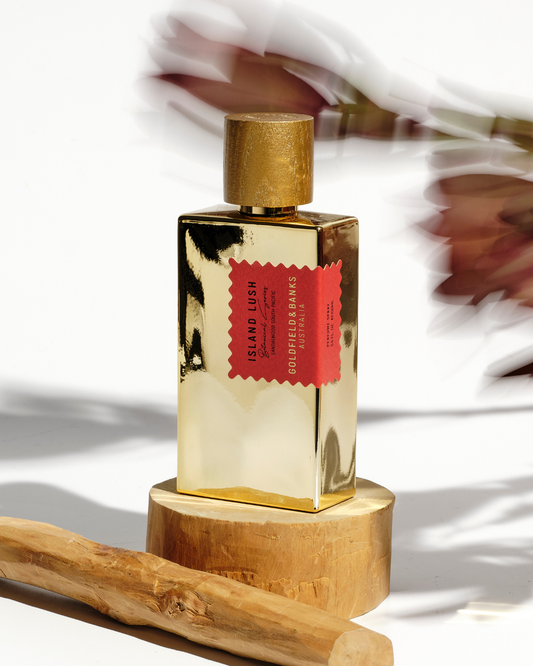
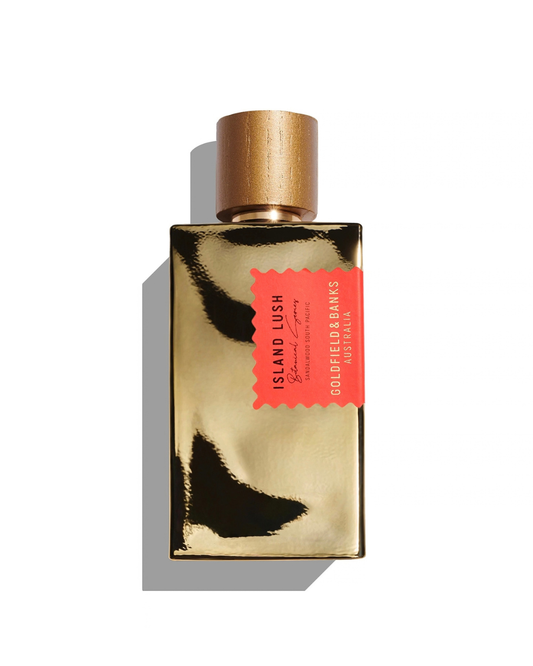
Island Lush
by Goldfield & Banks Australia
Two sandalwoods meet here: a buttery South Pacific variety rich in vanilla, more...Regular price From $59.00Regular price$0.00Sale price From $59.00 -

Emerald Green
Emerald Green honours the emerald parure Prince Albert commissioned for Queen Victoria,, more...Regular price $295.00Regular price$0.00Sale price $295.00 -
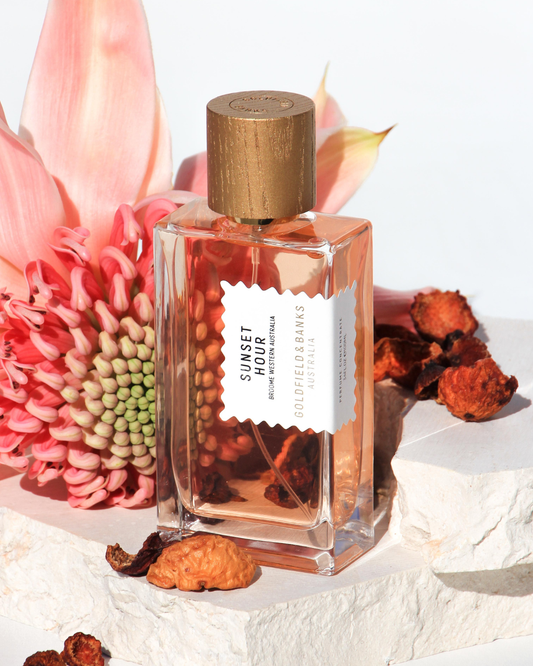

Sunset Hour
by Goldfield & Banks Australia
As the sun drops into the Indian Ocean off Western Australia, the, more...Regular price From $45.00Regular price$0.00Sale price From $45.00 -


Île Pourpre
Île Pourpre opens crisp and green, shiso and bergamot sparking against a, more...Regular price $200.00Regular price$0.00Sale price $200.00 -

Live in Colours
Live in Colours is about the instant creativity takes hold. Lemon, grapefruit, more...Regular price $260.00Regular price$0.00Sale price $260.00 -


Stellar Silk
by BDK Parfums
Sandalwood, treated less as a wood and more as a texture, is, more...Regular price From $295.00Regular price$0.00Sale price From $295.00 -


Defender
Defender takes its cue directly from Boadicea herself, the warrior queen the, more...Regular price $625.00Regular price -

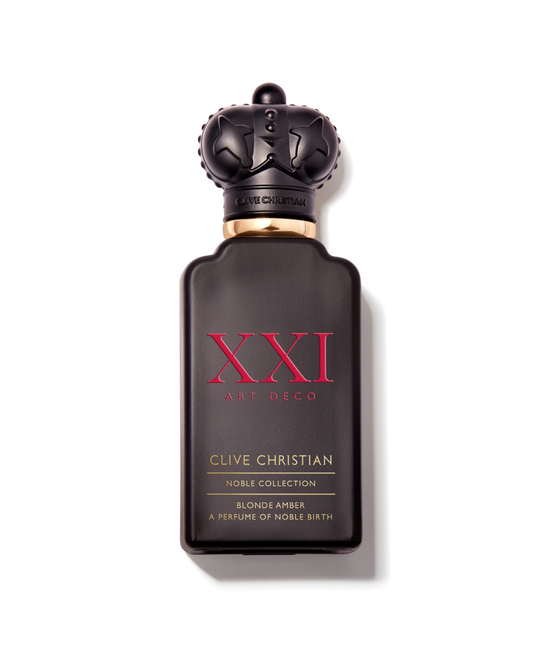
Blonde Amber
Blonde Amber takes its inspiration from the glamour of the Art Deco, more...Regular price $610.00Regular price$0.00Sale price $610.00


