


Grapefruit
-

Navis
Navis smells like a boat pushed out at dawn, pink peppercorn crackling, more...Regular price $200.00Regular price$0.00Sale price $200.00 -

Live in Colours
Live in Colours is about the instant creativity takes hold. Lemon, grapefruit, more...Regular price $260.00Regular price$0.00Sale price $260.00 -


Pomelo Riviera
Pomelo Riviera starts with a punchy burst of pomelo and grapefruit, tart, more...Regular price $275.00Regular price$0.00Sale price $275.00 -


Defender
Defender takes its cue directly from Boadicea herself, the warrior queen the, more...Regular price $625.00Regular price -


Sel D'Argent
by BDK Parfums
Sel d'Argent lands you on the rocks of Corsica late in the, more...Regular price $290.00Regular price$0.00Sale price $290.00 -
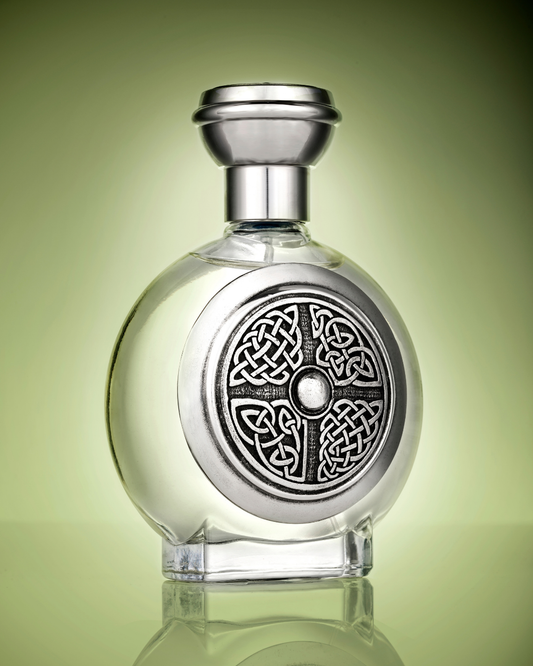

Energizer
Energizer starts like a cold shower of grapefruit, lime and bergamot, sharp, more...Regular price $315.00Regular price -

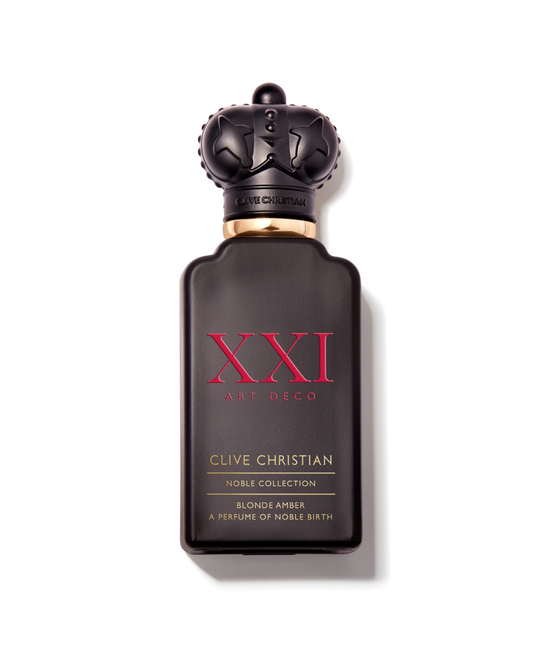
Blonde Amber
Blonde Amber takes its inspiration from the glamour of the Art Deco, more...Regular price $610.00Regular price$0.00Sale price $610.00 -


1872 Masculine
1872 Masculine takes its name from the year Clive Christian's Crown Perfumery, more...Regular price From $390.00Regular price$0.00Sale price From $390.00 -

Up To The Moon
Up To The Moon pairs fruit with light, opening on ripe pear, more...Regular price $260.00Regular price -

Iconic Masculine
Iconic Masculine brings back one of the house's most cherished fragrances, opening, more...Regular price $500.00Regular price -
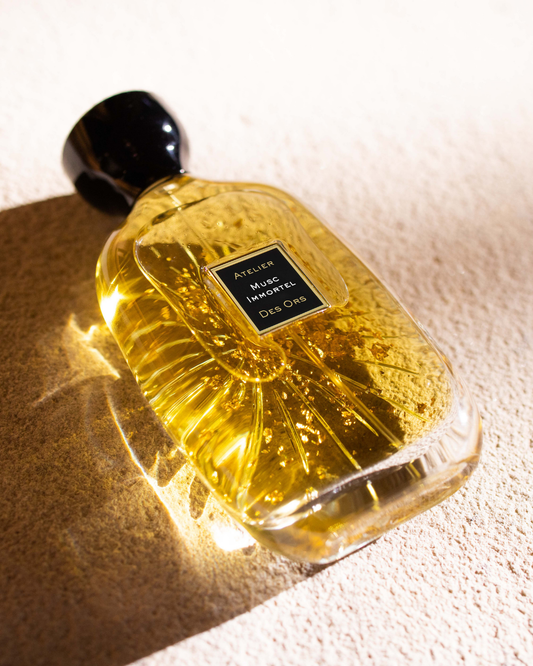

Musc Immortel
Musc Immortel takes its name from the golden everlasting flower, whose warm,, more...Regular price $330.00Regular price$0.00Sale price $330.00 -


Hedonistic
Hedonistic, properly known as Jump up and Kiss Me Hedonistic, doesn't pretend, more...Regular price $610.00Regular price$0.00Sale price $610.00


