


Haitian Vetiver
-


Iris Fauve
Iris Fauve takes its name from Iris, messenger of the gods, and, more...Regular price $330.00Regular price$0.00Sale price $330.00 -
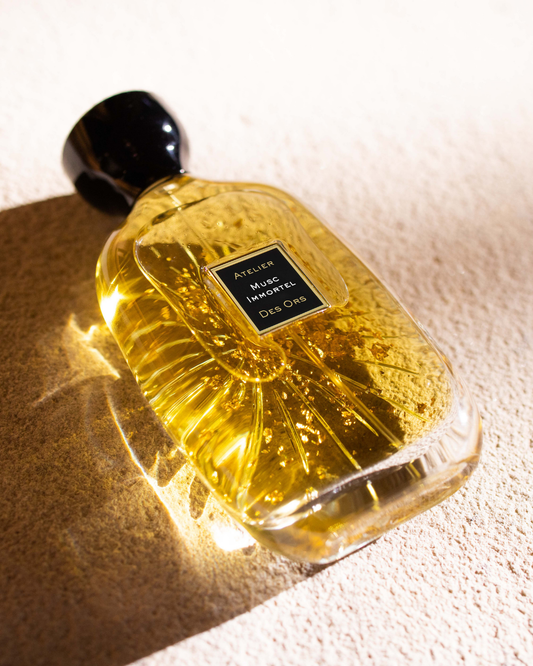

Musc Immortel
Musc Immortel takes its name from the golden everlasting flower, whose warm,, more...Regular price $330.00Regular price$0.00Sale price $330.00 -

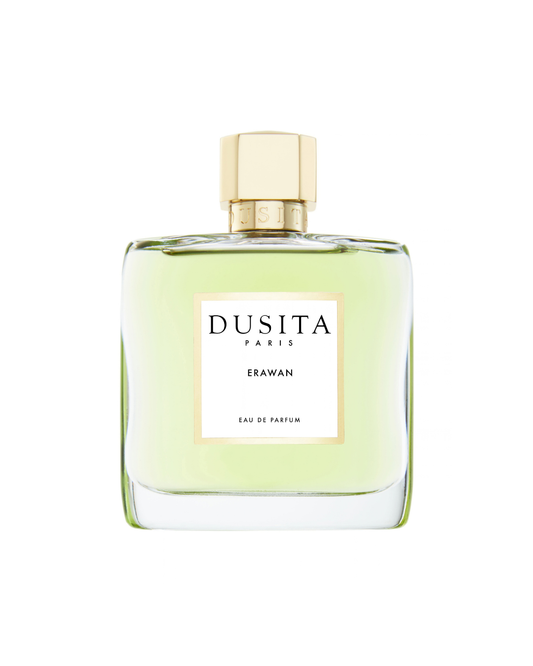
Erawan
Erawan takes its name from the mythical elephant of Thai legend, and, more...Regular price From $75.00Regular price$0.00Sale price From $75.00 -


Anamcara
Anamcara takes its name from the Gaelic term for a soul friend,, more...Regular price From $125.00Regular price$0.00Sale price From $125.00 -


Citrus Riviera
by BDK Parfums
Citrus Riviera is the Cap d'Antibes as BDK remembers it, a white, more...Regular price $290.00Regular price$0.00Sale price $290.00 -


Aube Rubis
Aube Rubis follows the arc of a single day, named for the, more...Regular price $330.00Regular price$0.00Sale price $330.00 -


Splendiris
Splendiris is built around orris butter, the rare and costly heart of, more...Regular price From $125.00Regular price$0.00Sale price From $125.00 -

Beaute du Diable
Beauté du Diable opens on gin and absinthe, sharp and faintly illicit,, more...Regular price $280.00Regular price$0.00Sale price $280.00 -
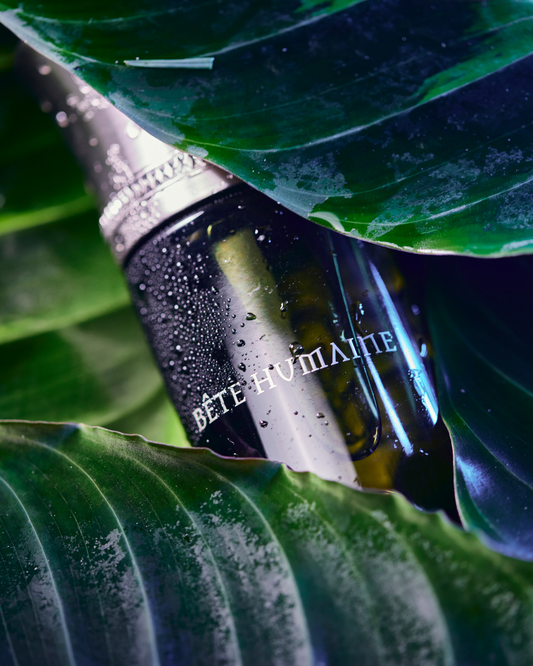

Bête Humaine
Bête Humaine smells like skin that's spent all day outdoors, chestnuts adding, more...Regular price $280.00Regular price$0.00Sale price $280.00


