


Incense
-


Sancti
Sancti opens like light through a stained-glass window, bergamot and grapefruit catching, more...Regular price $200.00Regular price$0.00Sale price $200.00 -

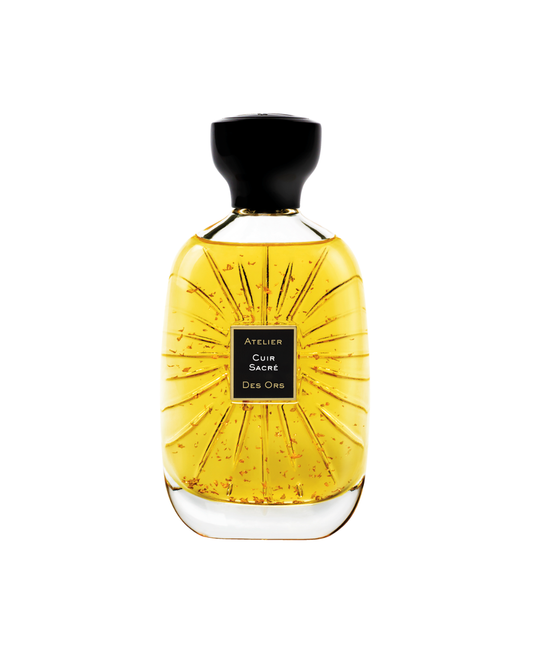
Cuir Sacré
Cuir Sacré was imagined on a walk through the old town of, more...Regular price $330.00Regular price$0.00Sale price $330.00 -


Noir by Night
Noir by Night plays with contrast: an intensely elegant opening of incense, more...Regular price $330.00Regular price -


Monarch
Monarch carries itself with a certain reserve, the kind of scent that, more...Regular price $315.00Regular price -


Larmes Du Désert
Larmes Du Désert pays homage to the Middle East as perfumery's birthplace,, more...Regular price $330.00Regular price$0.00Sale price $330.00 -

Rosarine
Rosarine takes its name from a Thai phrase for the queen of, more...Regular price From $210.00Regular price -
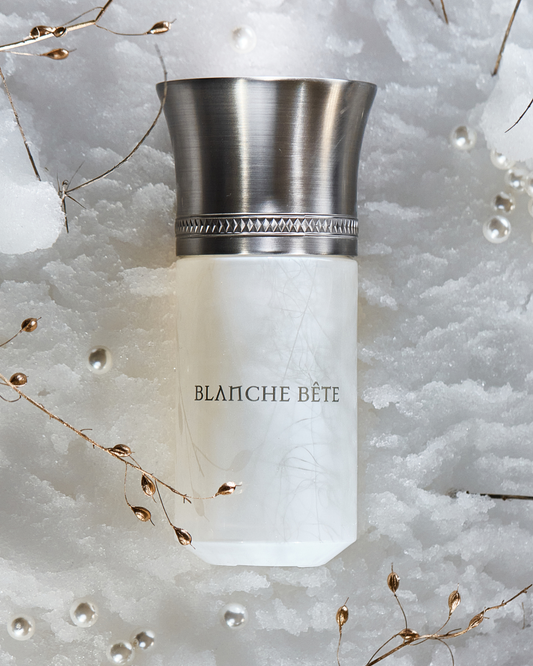

Blanche Bête
Blanche Bête opens soft, almost edible, a milk accord blurring into ambrette, more...Regular price $280.00Regular price$0.00Sale price $280.00 -

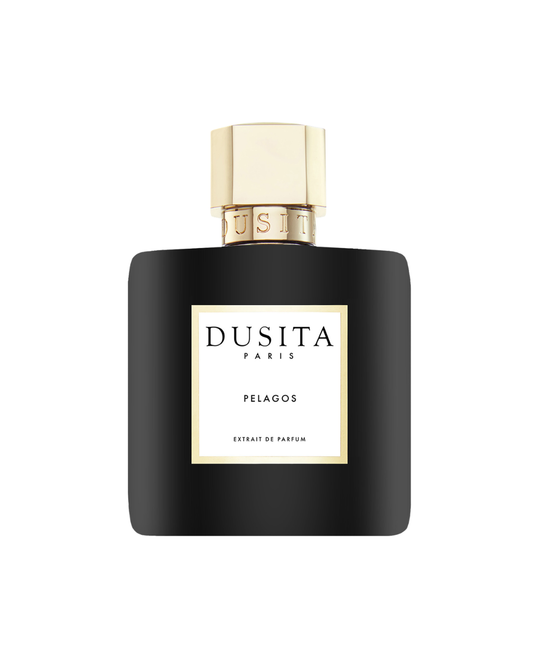
Pelagos
Pelagos conjures a sail across the open sea into a headwind, then, more...Regular price From $110.00Regular price -


Morning Star
Morning Star opens bright and warm, with bergamot and pink pepper sparked, more...Regular price $285.00Regular price$0.00Sale price $285.00 -


Oud Paradisio
by BDK Parfums
Part of Collection Studio, where BDK borrows its textures from fashion, Oud, more...Regular price From $295.00Regular price$0.00Sale price From $295.00 -


Fleuve Tendre
Fleuve Tendre is built around a meeting: black pepper and cardamom strike, more...Regular price $200.00Regular price$0.00Sale price $200.00 -


Dear Karma
Dear Karma opens with an icy, almost witchy bite, absinthe and neroli, more...Regular price From $54.00Regular price


