


Jasmine
-


Envious
Envious opens on a rush of bergamot and mandarin softened by sage,, more...Regular price $390.00Regular price -

Sacred Groove
Sacred Groove began as a conversation between THoO's Andrea Casotti and the, more...Regular price $260.00Regular price$0.00Sale price $260.00 -


Fleur de Lalita
Fleur de Lalita gathers the finest flowers of Grasse into one exuberant, more...Regular price From $125.00Regular price$0.00Sale price From $125.00 -
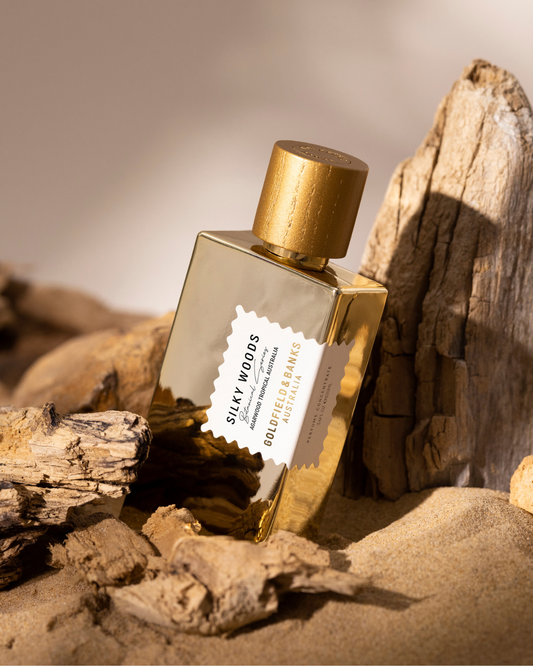

Silky Woods
by Goldfield & Banks Australia
Named for the agarwood harvested sustainably from Queensland's Daintree Rainforest, this was, more...Regular price From $59.00Regular price$0.00Sale price From $59.00 -
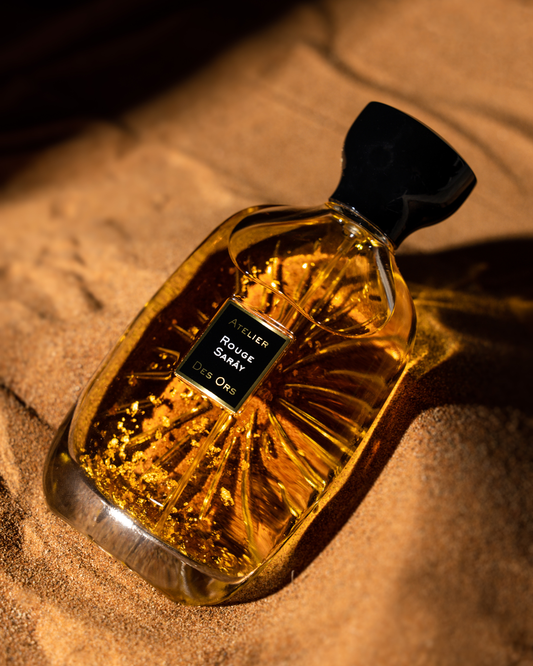

Rouge Sarây
Rouge Sarây imagines the caravans that once crossed the ancient trade routes, more...Regular price $330.00Regular price$0.00Sale price $330.00 -


Monarch
Monarch carries itself with a certain reserve, the kind of scent that, more...Regular price $315.00Regular price -

Tapis Volant
Tapis Volant imagines a carpet drifting above the clouds, spun from threads, more...Regular price $200.00Regular price$0.00Sale price $200.00 -


Imperial
Imperial opens with a cool, herbal flourish, angelica and lavender crossed with, more...Regular price $390.00Regular price -

Emerald Green
Emerald Green honours the emerald parure Prince Albert commissioned for Queen Victoria,, more...Regular price $295.00Regular price$0.00Sale price $295.00 -


No1 Feminine
No1 Feminine opens on a succulent mix of plum, white peach, lemon, more...Regular price $790.00Regular price -
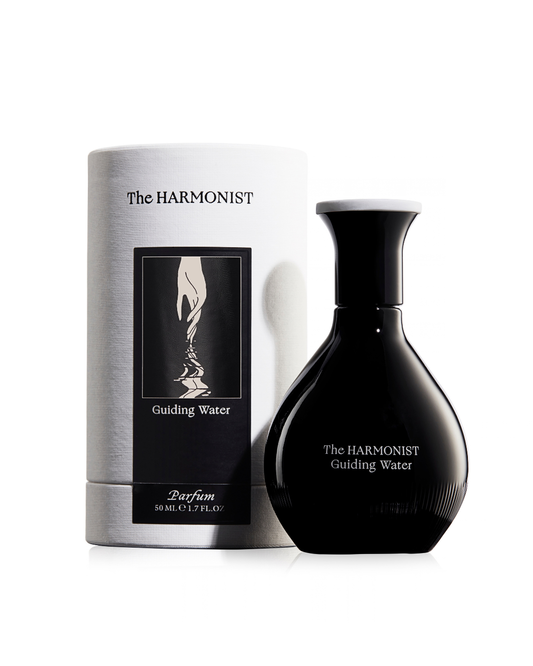

Guiding Water
Guiding Water opens on something close to sea spray, watermelon and an, more...Regular price $320.00Regular price -
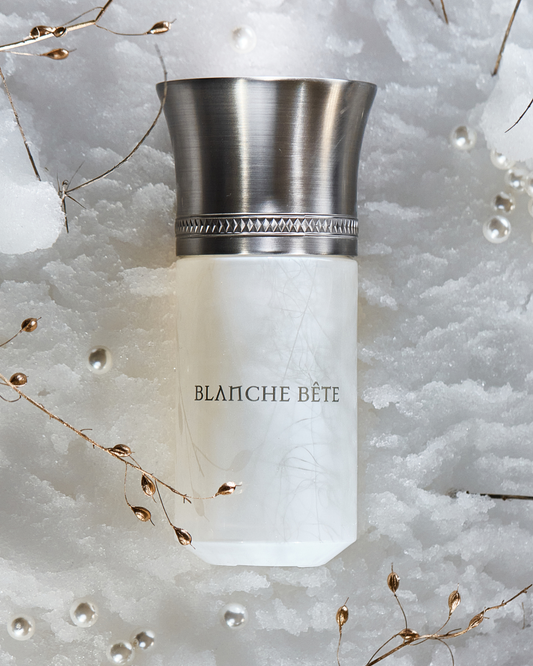

Blanche Bête
Blanche Bête opens soft, almost edible, a milk accord blurring into ambrette, more...Regular price $280.00Regular price$0.00Sale price $280.00


