


Jasmine Sambac
-


Bouquet de Hongrie
by BDK Parfums
Bouquet de Hongrie follows a morning ritual, bare feet on a mirrored, more...Regular price From $60.00Regular price$0.00Sale price From $60.00 -


Montri
Montri is named for the poet father of Dusita's founder, and it, more...Regular price From $125.00Regular price$0.00Sale price From $125.00 -


Empire
Empire opens on plush peach and plum, softened by Sicilian bergamot and, more...Regular price $535.00Regular price -


Splendiris
Splendiris is built around orris butter, the rare and costly heart of, more...Regular price From $125.00Regular price$0.00Sale price From $125.00 -

Rosarine
Rosarine takes its name from a Thai phrase for the queen of, more...Regular price From $210.00Regular price -
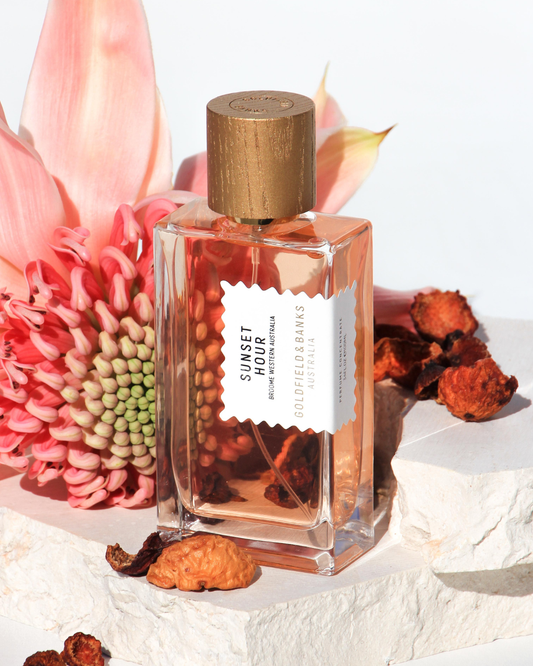

Sunset Hour
by Goldfield & Banks Australia
As the sun drops into the Indian Ocean off Western Australia, the, more...Regular price From $45.00Regular price$0.00Sale price From $45.00 -
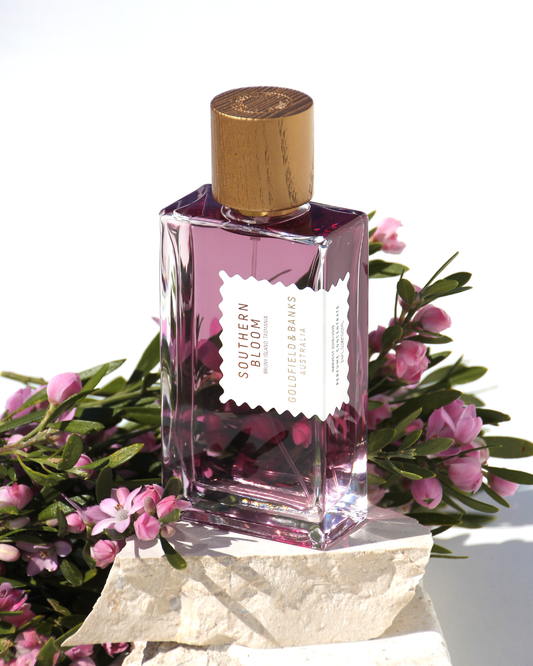

Southern Bloom
by Goldfield & Banks Australia
Every September, Tasmania's Bruny Island fills briefly with the scent of boronia,, more...Regular price From $45.00Regular price$0.00Sale price From $45.00 -

Nuda Veritas Extrait
The Extrait takes the same starting point as the original Nuda Veritas,, more...Regular price $415.00Regular price -


Matsukita
Matsukita opens with green bergamot sparked by pink pepper and a warm, more...Regular price $500.00Regular price$0.00Sale price $500.00 -

WabiSabi
WabiSabi takes its name, and its nerve, from wasabi itself, reimagined as, more...Regular price $260.00Regular price -

Up To The Moon
Up To The Moon pairs fruit with light, opening on ripe pear, more...Regular price $260.00Regular price -

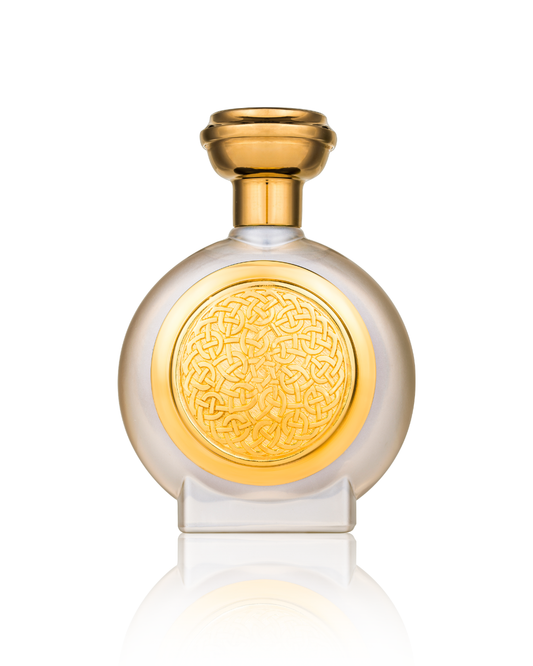
Jubilee
Jubilee opens on an unexpected note of pineapple, tropical and juicy against, more...Regular price $535.00Regular price


