


Leather
-

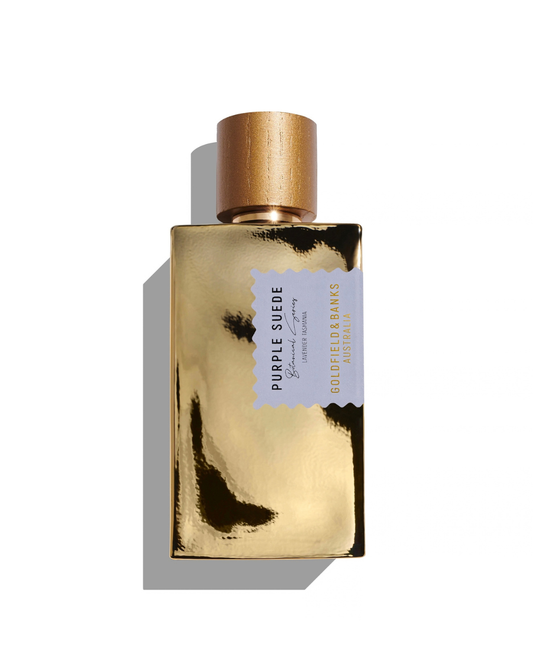
Purple Suede
by Goldfield & Banks Australia
Fields of Tasmanian lavender, crisped by fierce summer heat, meet the scent, more...Regular price From $59.00Regular price$0.00Sale price From $59.00 -


Villa Primerose
Villa Primerose returns to perfumery's own roots, a tribute to Grasse's rose, more...Regular price $330.00Regular price -


Vanille Leather
by BDK Parfums
Vanille Leather pairs a precious vanilla pod with a bouquet of white, more...Regular price From $60.00Regular price -


Hedonistic
Hedonistic, properly known as Jump up and Kiss Me Hedonistic, doesn't pretend, more...Regular price $610.00Regular price$0.00Sale price $610.00 -

Cosmos Flower
Cosmos Flower is named for a bloom the brand calls the flower, more...Regular price $610.00Regular price -


Oud Sapphire
Oud Sapphire is a straightforward love letter to oud, one of perfumery's, more...Regular price $935.00Regular price -

Buveur de Vent
Buveur de Vent takes its name from the Arabian horses said to, more...Regular price $200.00Regular price$0.00Sale price $200.00 -


Complex 2020
Complex 2020 turns the volume up on an old favourite, deepening its, more...Regular price $625.00Regular price -

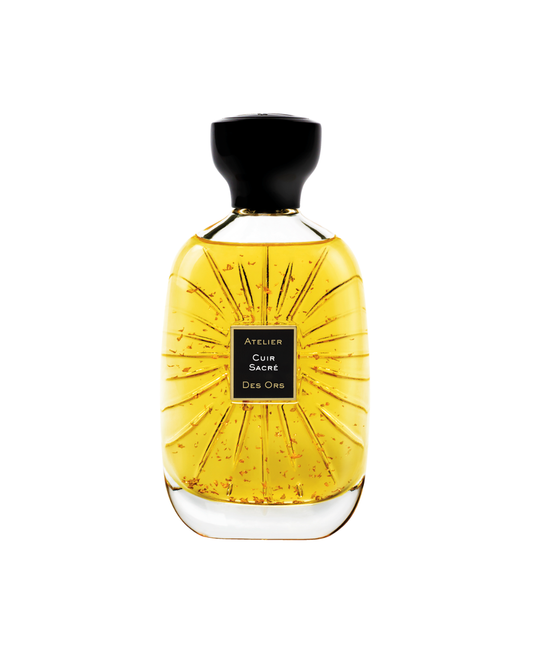
Cuir Sacré
Cuir Sacré was imagined on a walk through the old town of, more...Regular price $330.00Regular price$0.00Sale price $330.00 -

Le Sillage Blanc
Le Sillage Blanc smells like the first morning of the world, dew, more...Regular price From $125.00Regular price -


Timeless
Timeless takes its cue from a classic Victorian cologne, then loosens its, more...Regular price $395.00Regular price$0.00Sale price $395.00Sold out -


Montri
Montri is named for the poet father of Dusita's founder, and it, more...Regular price From $125.00Regular price$0.00Sale price From $125.00


