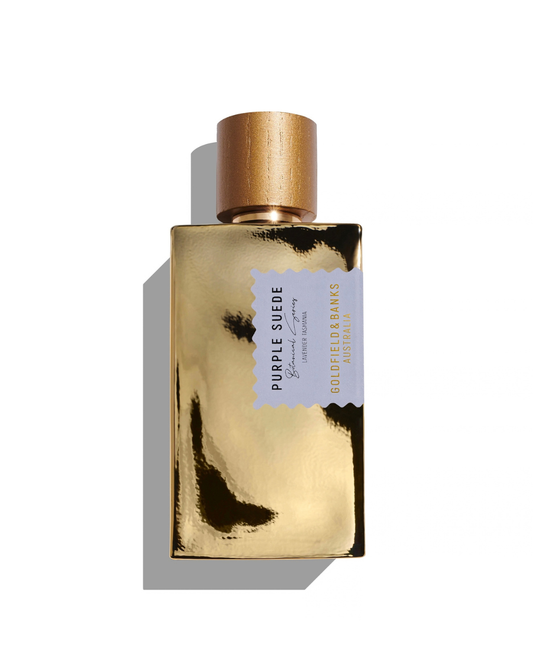
Leatherwood is a honeyed floral-woody note inspired by Eucryphia lucida, a flowering tree endemic to the rainforests of western Tasmania. It is best known for the distinctive leatherwood honey its blossoms produce, and in perfume it usually suggests warm, waxy honey, white flowers and a spicy, slightly medicinal edge.
What does Leatherwood smell like?
Leatherwood's white, rose-like flowers are strongly scented, especially on warm days, and the honey made from them is famous for a spicy, balsamic and slightly musky taste. Perfume notes built around the tree tend to follow that profile: waxy honey and pollen, soft white florals and a tangy, almost resinous edge, often laid over woods. Despite its name, it does not smell of leather; the "leather" refers to the tree's tough, glossy leaves. Some brands nonetheless use the name loosely to suggest a leathery-woody accord, so the effect varies from perfume to perfume.
Where Leatherwood comes from
Eucryphia lucida grows in wet forests across western Tasmania, including the Tarkine and South West Wilderness, reaching up to about 25 metres in good conditions. It flowers over summer, and beekeepers carry hives into the forest to catch the bloom. Leatherwood is Tasmania's most important nectar source, often cited as accounting for around 70% of the island's honey. There is no widely traded leatherwood essential oil, so the note is generally recreated.
- Also known as: Eucryphia lucida, Tasmanian leatherwood
- Fragrance family: Floral, woody
- Type: Accord (created by the perfumer)
- Main origins: Western Tasmania, Australia
Leatherwood in perfume history
Leatherwood has no long perfumery pedigree; its fame lies in honey. Italian bees introduced to Tasmania in the 1880s became the basis of the island's industry, and leatherwood honey is now included in the Slow Food Ark of Taste. Beekeepers have lobbied to protect leatherwood forests from logging to keep the harvest going.
Leatherwood in modern perfumery
The note appears in some niche compositions celebrating Australian botanicals, as well as in a number of mainstream woody fragrances, such as Versace Pour Homme Oud Noir (2013), where it appears in the published note list. Growing interest in native Australian ingredients has made the name more visible, although the material itself is always an interpretation.
How Leatherwood wears and what it pairs with
Leatherwood accords usually sit in the heart and base, adding a warm, honeyed glow that lasts reasonably well. They pair with beeswax, orange blossom, tuberose, sandalwood, tobacco, suede, oud and spices.