


Lemon
-


Lavish
Lavish takes its name seriously from the first spray, lemon and bergamot, more...Regular price $535.00Regular price -


Hedonistic
Hedonistic, properly known as Jump up and Kiss Me Hedonistic, doesn't pretend, more...Regular price $610.00Regular price$0.00Sale price $610.00 -


Hanuman
Hanuman takes its name from the Hindu monkey god and the Chinese, more...Regular price $1,230.00Regular price -


Riviera Lazuli
Riviera Lazuli holds onto a single suspended moment: sunlight on azure water,, more...Regular price $275.00Regular price$0.00Sale price $275.00 -


Blanc Polychrome
Blanc Polychrome moves with the casual confidence of a cologne, bright and, more...Regular price $275.00Regular price$0.00Sale price $275.00 -


Pacific Rock Flower 2026 Christmas Box
by Goldfield & Banks Australia
A full bottle of Pacific Rock Moss paired with a travel spray, more...Regular price $240.00Regular price -


Villa Neroli
by BDK Parfums
Villa Neroli takes its cue from Capri, where the light of a, more...Regular price $290.00Regular price$0.00Sale price $290.00 -


Riviera Sunrise
Riviera Sunrise catches the Mediterranean at its most golden, sunlight glancing off, more...Regular price $275.00Regular price -


Lannosea
Lannosea takes its name from one of Boadicea's daughters, and it carries, more...Regular price $625.00Regular price -


Blue Sapphire Supercharged
Blue Sapphire Supercharged takes the original's loyal, sun-warmed character and turns the, more...Regular price $1,440.00Regular price -


Azrak
Azrak takes its name from the Arabic word for blue, though there's, more...Regular price $535.00Regular price -

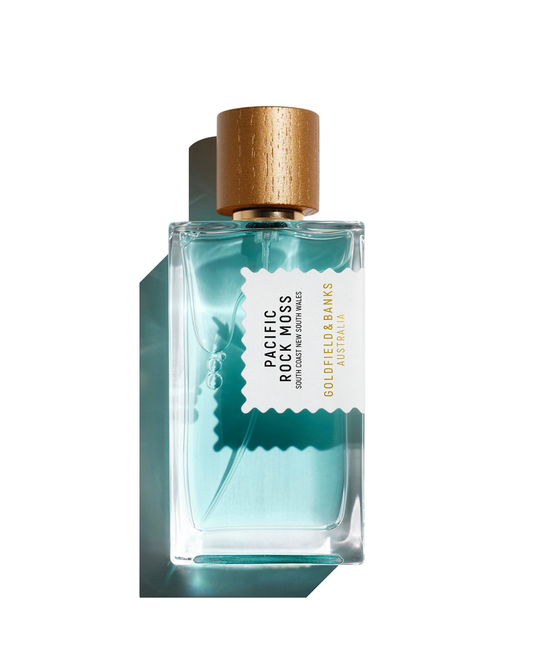
Pacific Rock Moss
by Goldfield & Banks Australia
On the south coast of New South Wales, moss clings to sea-worn, more...Regular price From $45.00Regular price$0.00Sale price From $45.00


