


Magnolia
-
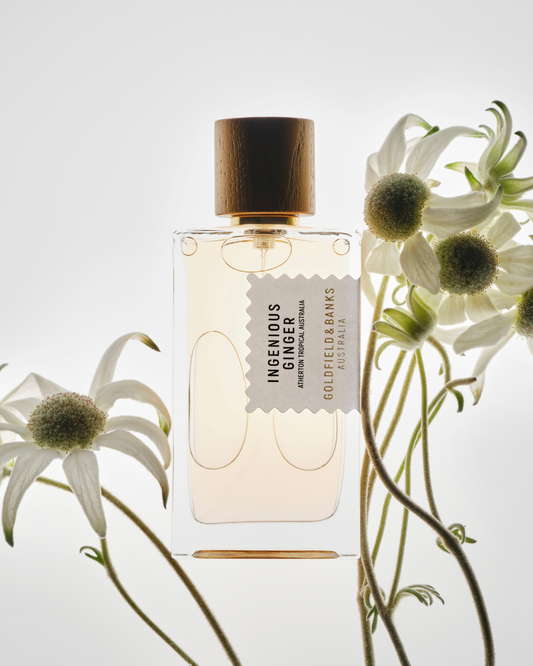
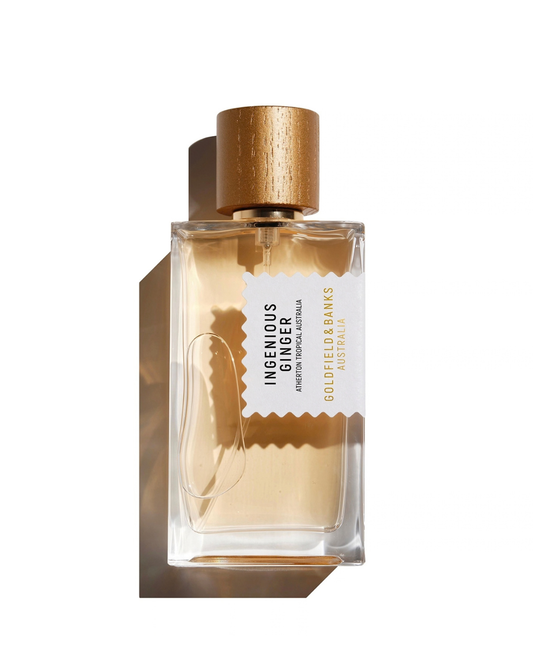
Ingenious Ginger
by Goldfield & Banks Australia
The torch ginger lily has almost no scent of its own, so, more...Regular price From $45.00Regular price$0.00Sale price From $45.00 -


Ingenious Ginger 2026 Christmas Box
by Goldfield & Banks Australia
The Ingenious Ginger Christmas Set pairs the full 100 mL bottle with, more...Regular price $240.00Regular price -

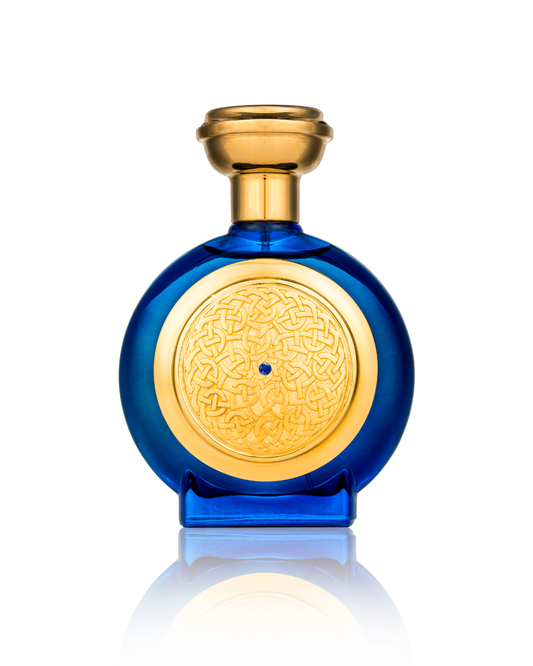
Blue Sapphire
Blue Sapphire was created to mark a royal anniversary of a different, more...Regular price $935.00Regular price -


Consort
Consort opens with real conviction, a rush of bergamot, lime and juniper, more...Regular price $535.00Regular price -

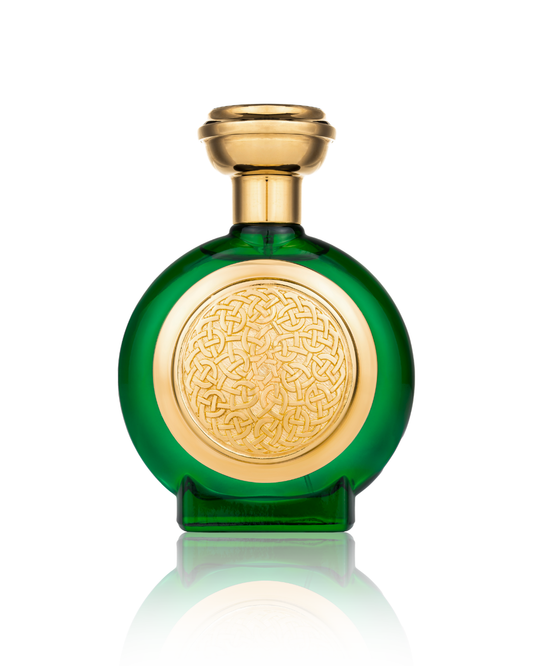
Knight of Love
Knight of Love borrows its name from the Arthurian tales of Gawain, more...Regular price $625.00Regular price -


Tobacco Sapphire
Tobacco Sapphire is called the smoky jewel of the Sapphire Collection, and, more...Regular price $935.00Regular price -

Up To The Moon
Up To The Moon pairs fruit with light, opening on ripe pear, more...Regular price $260.00Regular price -


Hanuman
Hanuman takes its name from the Hindu monkey god and the Chinese, more...Regular price $1,230.00Regular price -

Violet Sapphire Supercharged
Violet Sapphire Supercharged takes its name from a colour rather than the, more...Regular price $1,440.00Regular price -


Dragon
Dragon marks the Chinese Year of the Wood Dragon, a creature the, more...Regular price $1,230.00Regular price -
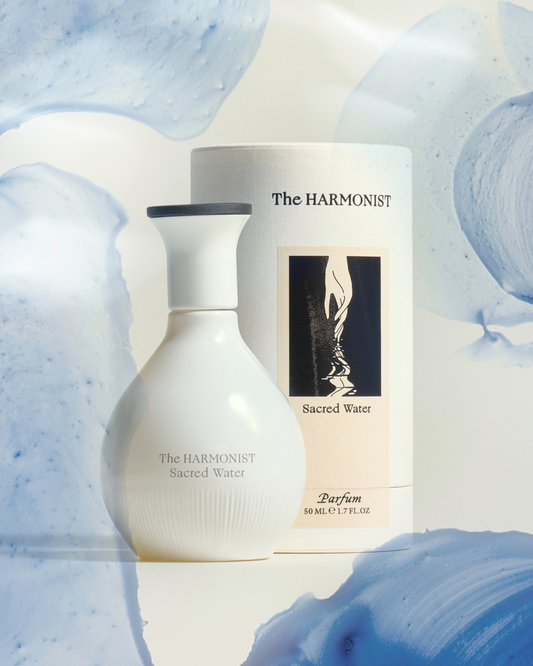

Sacred Water
Sacred Water moves the way the sea does, restless and bright one, more...Regular price $285.00Regular price -


Fleur de Lalita
Fleur de Lalita gathers the finest flowers of Grasse into one exuberant, more...Regular price From $125.00Regular price$0.00Sale price From $125.00


