


Mandarin
-


Sancti
Sancti opens like light through a stained-glass window, bergamot and grapefruit catching, more...Regular price $200.00Regular price$0.00Sale price $200.00 -


Velvet Splendour
by Goldfield & Banks Australia
Imagine holding an armful of sunburnt wildflowers and pressing your face gently, more...Regular price $240.00Regular price$0.00Sale price $240.00 -
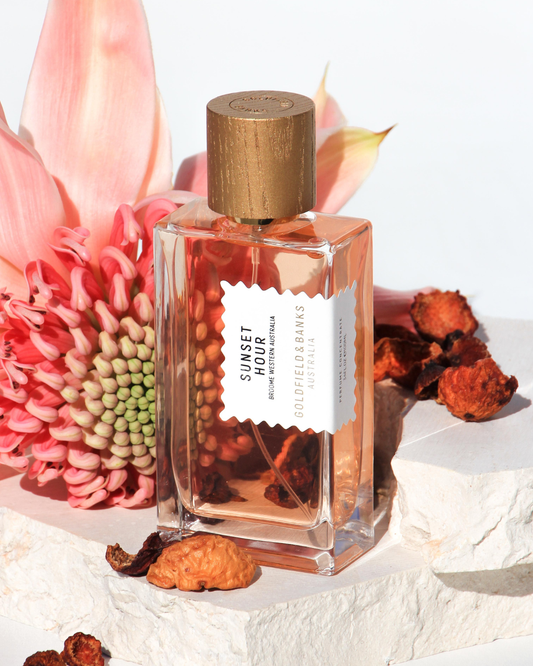

Sunset Hour
by Goldfield & Banks Australia
As the sun drops into the Indian Ocean off Western Australia, the, more...Regular price From $45.00Regular price$0.00Sale price From $45.00 -
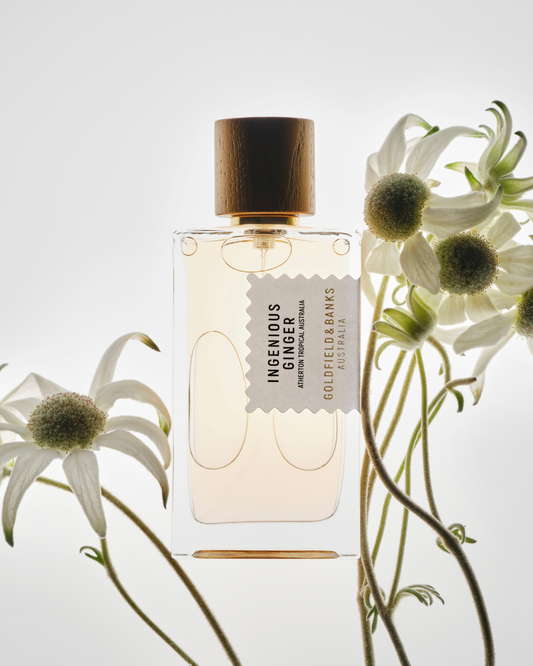
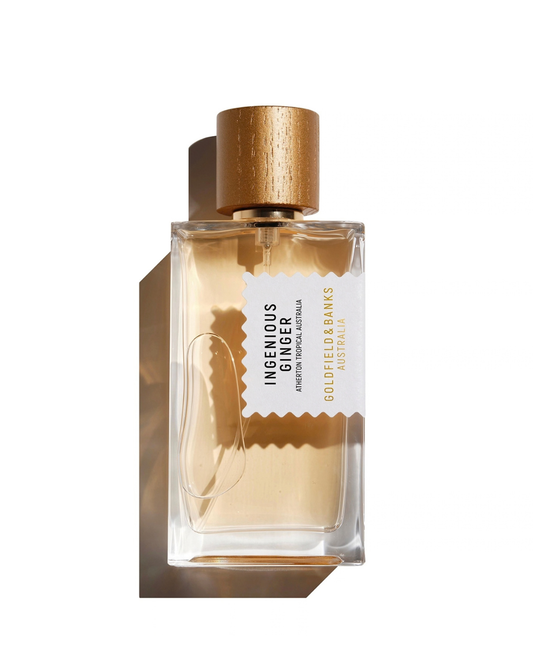
Ingenious Ginger
by Goldfield & Banks Australia
The torch ginger lily has almost no scent of its own, so, more...Regular price From $45.00Regular price$0.00Sale price From $45.00 -

Doux Ennui
Doux Ennui borrows its opulence from Marie Antoinette's court, all gilt mirrors, more...Regular price $260.00Regular price -


Desert Rosewood
by Goldfield & Banks Australia
A heady rush of resinous desert rosewood, native to Australia's arid Central, more...Regular price From $45.00Regular price$0.00Sale price From $45.00 -


Sunset Hour 2026 Christmas Box
by Goldfield & Banks Australia
As the sun drops into the Indian Ocean off Western Australia, the, more...Regular price $240.00Regular price$0.00Sale price $240.00 -
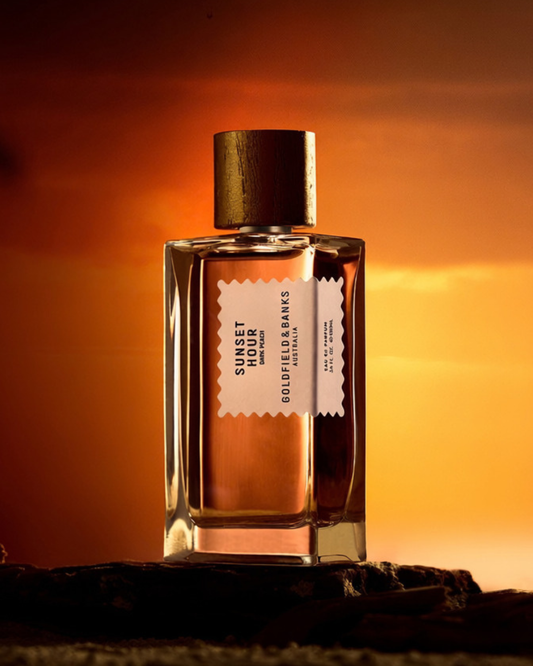

Sunset Hour Dark Peach
by Goldfield & Banks Australia
This is Sunset Hour immersed in rum, a richer and more indulgent, more...Regular price From $45.00Regular price -


Impadia
by BDK Parfums
Impadia is built for the hour when Paris turns pink and orange, more...Regular price From $60.00Regular price$0.00Sale price From $60.00


