


Moss
-


Blanc Polychrome
Blanc Polychrome moves with the casual confidence of a cologne, bright and, more...Regular price $275.00Regular price$0.00Sale price $275.00 -


Aqua Sapphire
Aqua Sapphire moves like a day spent between island nations, opening with, more...Regular price $935.00Regular price -


Almas
Almas is the Arabic word for diamond, and the fragrance is built, more...Regular price $935.00Regular price -


Tales Of Amber
by Goldfield & Banks Australia
At its core is ambergris from New Zealand, a rare treasure washed, more...Regular price From $73.00Regular price$0.00Sale price From $73.00 -


Pacific Rock Flower 2026 Christmas Box
by Goldfield & Banks Australia
A full bottle of Pacific Rock Moss paired with a travel spray, more...Regular price $240.00Regular price -


Villa Neroli
by BDK Parfums
Villa Neroli takes its cue from Capri, where the light of a, more...Regular price $290.00Regular price$0.00Sale price $290.00 -

Contemporary
Contemporary plays with contrast from the very first note, pairing cool geranium, more...Regular price $395.00Regular price$0.00Sale price $395.00 -

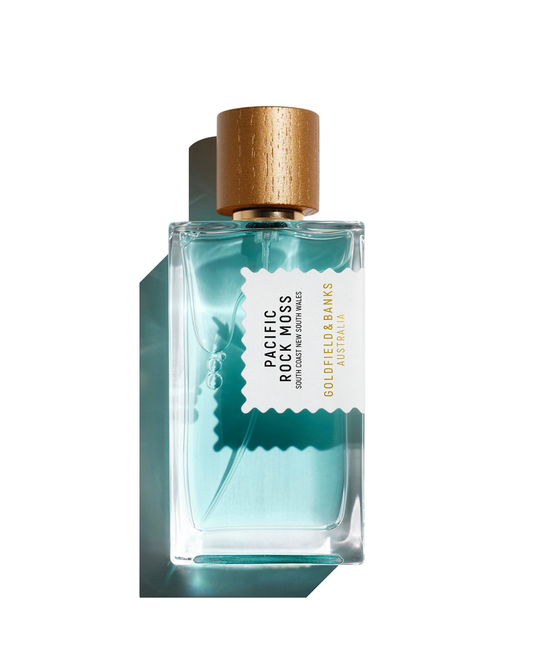
Pacific Rock Moss
by Goldfield & Banks Australia
On the south coast of New South Wales, moss clings to sea-worn, more...Regular price From $45.00Regular price$0.00Sale price From $45.00 -

Opal
Opal takes its cue from the gemstone's iridescence, the way light shifts, more...Regular price $1,230.00Regular price -

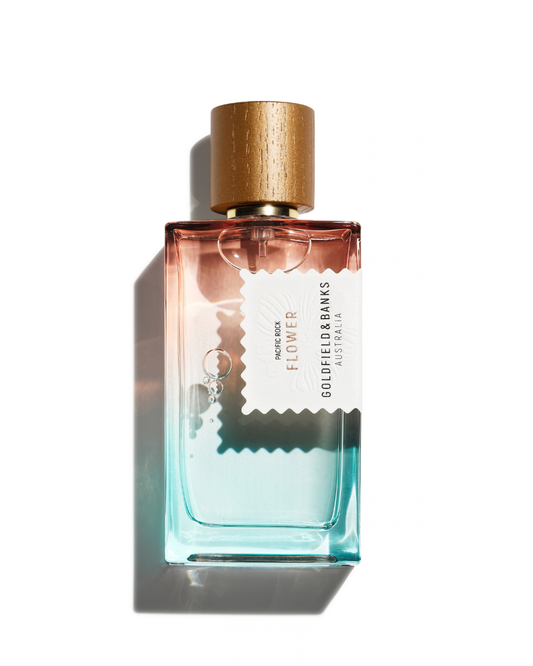
Pacific Rock Flower
by Goldfield & Banks Australia
Along Australia's east coast, the native coastal tea tree blooms in delicate, more...Regular price From $45.00Regular price -


Opulence
Opulence does not pretend to be subtle, opening with an intense collision, more...Regular price $1,880.00Regular price -

Nuda Veritas Extrait
The Extrait takes the same starting point as the original Nuda Veritas,, more...Regular price $415.00Regular price


