


Musk
-


1872 Feminine
1872 Feminine shares its name and heritage with its masculine counterpart, but, more...Regular price From $390.00Regular price$0.00Sale price From $390.00 -


Morning Star
Morning Star opens bright and warm, with bergamot and pink pepper sparked, more...Regular price $285.00Regular price$0.00Sale price $285.00 -

Breath of the Infinite
Breath of the Infinite is Desert Day's scent for first light, a, more...Regular price $260.00Regular price$0.00Sale price $260.00 -
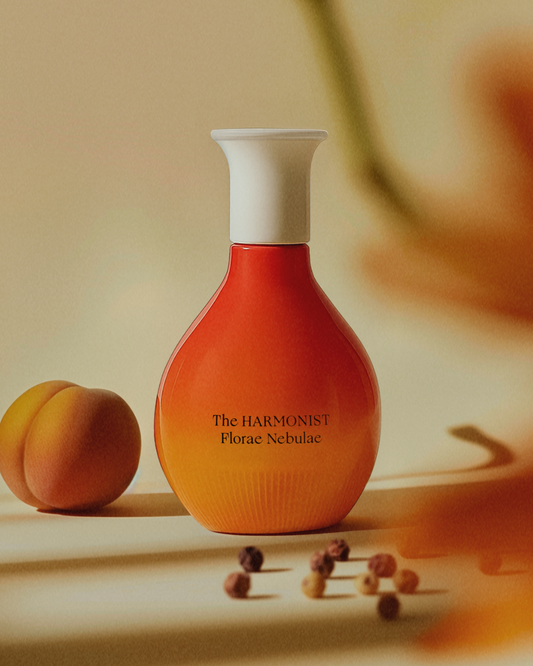
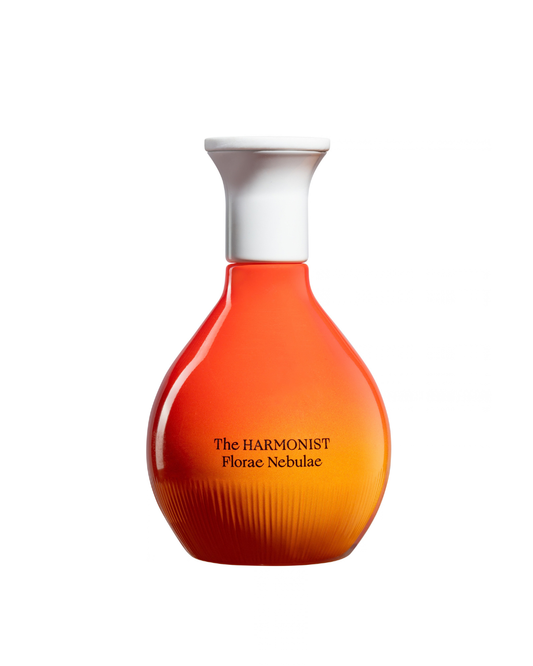
Florae Nebulae
Florae Nebulae is the softer half of the Nebula Collection, a cluster, more...Regular price $350.00Regular price -

Live in Colours
Live in Colours is about the instant creativity takes hold. Lemon, grapefruit, more...Regular price $260.00Regular price$0.00Sale price $260.00 -

Doux Ennui
Doux Ennui borrows its opulence from Marie Antoinette's court, all gilt mirrors, more...Regular price $260.00Regular price -
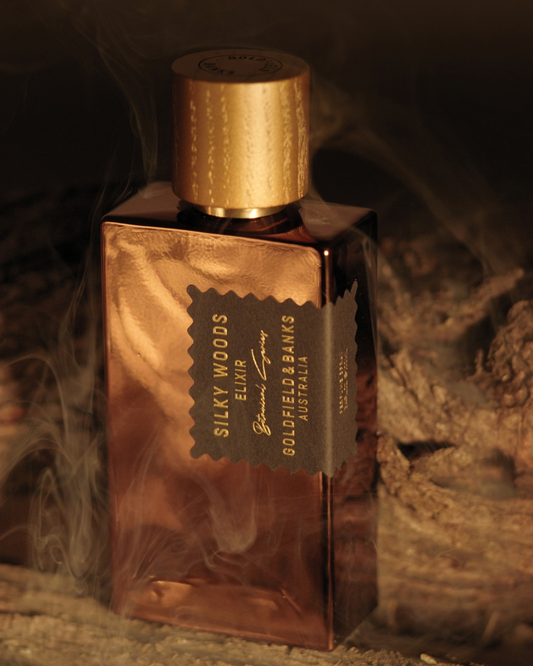

Silky Woods Elixir
by Goldfield & Banks Australia
Where the original Silky Woods stays delicate, this extrait pushes the same, more...Regular price From $73.00Regular price -


BonBon Pop
BonBon Pop reaches for the sweetness of childhood summers spent chasing an, more...Regular price From $54.00Regular price -

Hidden Shades
Following Sacred Groove, Hidden Shades continues THoO's collaborations with artists, this time, more...Regular price $260.00Regular price$0.00Sale price $260.00 -

Opal
Opal takes its cue from the gemstone's iridescence, the way light shifts, more...Regular price $1,230.00Regular price -


Fleuve Tendre
Fleuve Tendre is built around a meeting: black pepper and cardamom strike, more...Regular price $200.00Regular price$0.00Sale price $200.00 -


Bravery
Bravery wears like armour rather than perfume, a spiced lavender and saffron, more...Regular price $390.00Regular price


