


Neroli
-
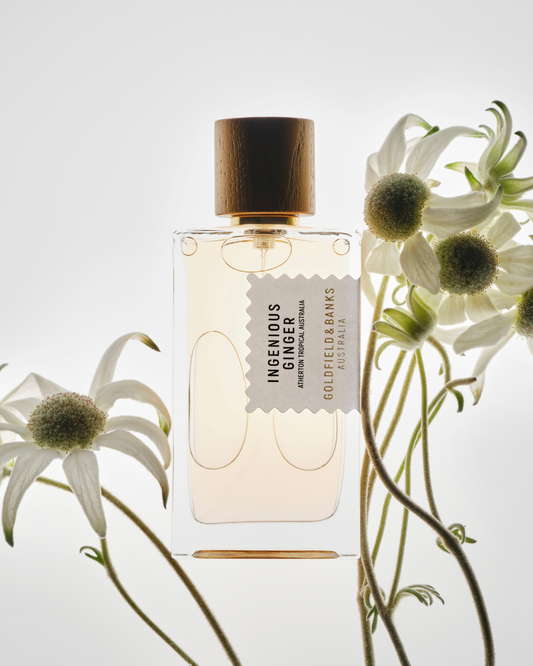
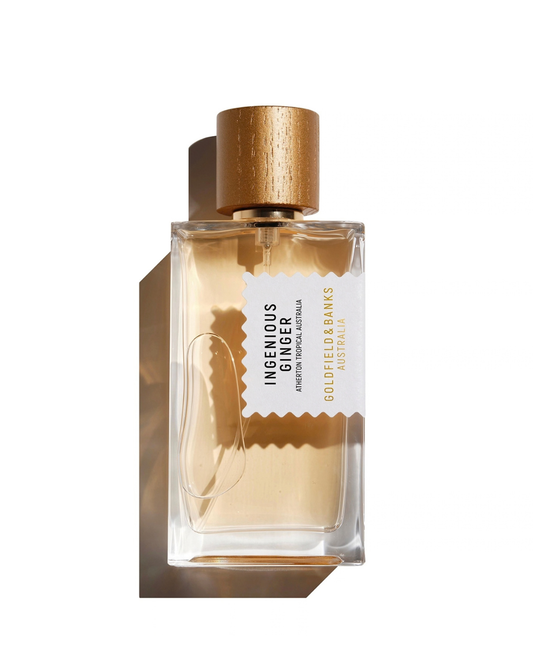
Ingenious Ginger
by Goldfield & Banks Australia
The torch ginger lily has almost no scent of its own, so, more...Regular price From $45.00Regular price$0.00Sale price From $45.00 -


Ingenious Ginger 2026 Christmas Box
by Goldfield & Banks Australia
The Ingenious Ginger Christmas Set pairs the full 100 mL bottle with, more...Regular price $240.00Regular price -


Dear Karma
Dear Karma opens with an icy, almost witchy bite, absinthe and neroli, more...Regular price From $54.00Regular price -

Up To The Moon
Up To The Moon pairs fruit with light, opening on ripe pear, more...Regular price $260.00Regular price -


Hedonistic
Hedonistic, properly known as Jump up and Kiss Me Hedonistic, doesn't pretend, more...Regular price $610.00Regular price$0.00Sale price $610.00 -


Hanuman
Hanuman takes its name from the Hindu monkey god and the Chinese, more...Regular price $1,230.00Regular price -

Rose Sapphire
Rose Sapphire leans into the animalic side of Turkish rose rather than, more...Regular price $935.00Regular price -


Citrus Riviera
by BDK Parfums
Citrus Riviera is the Cap d'Antibes as BDK remembers it, a white, more...Regular price $290.00Regular price$0.00Sale price $290.00 -


Almas
Almas is the Arabic word for diamond, and the fragrance is built, more...Regular price $935.00Regular price -

Le Sillage Blanc
Le Sillage Blanc smells like the first morning of the world, dew, more...Regular price From $125.00Regular price -

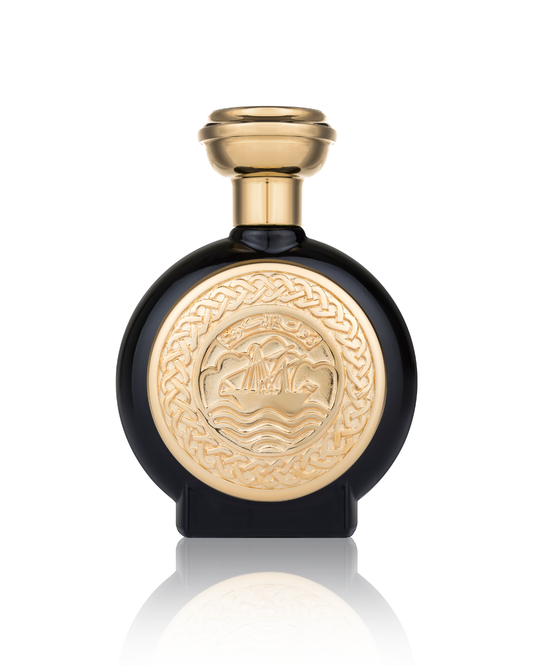
Dasman
Dasman is named for a seaside district of Kuwait City, once home, more...Regular price $685.00Regular price -

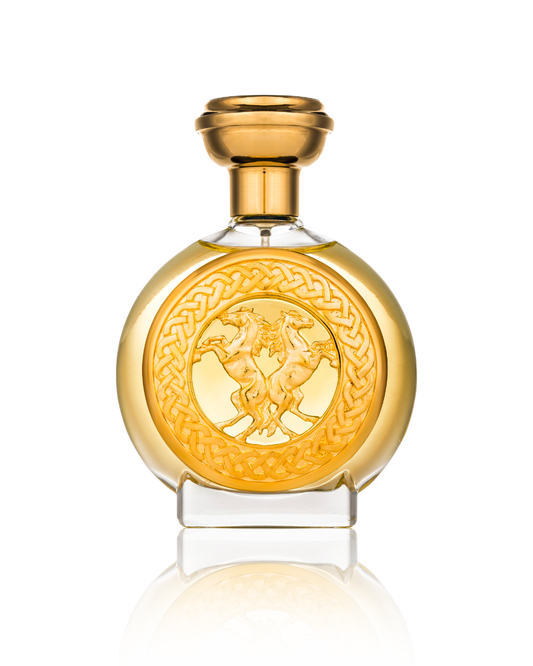
Valiant
Valiant belongs to the Chinese Year of the Horse, and it is, more...Regular price $1,230.00Regular price


