


Oakmoss
-

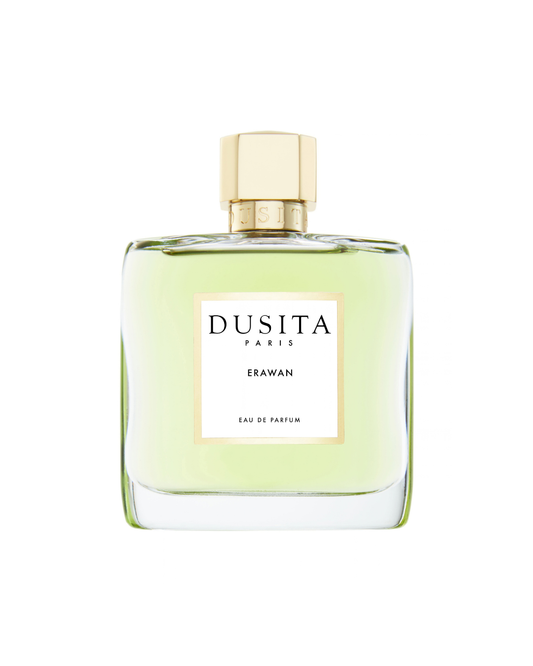
Erawan
Erawan takes its name from the mythical elephant of Thai legend, and, more...Regular price From $75.00Regular price$0.00Sale price From $75.00 -


La Rhapsodie Noire
La Rhapsodie Noire imagines Paris in the roaring twenties, crossing the Pont-Neuf, more...Regular price From $75.00Regular price$0.00Sale price From $75.00 -

Buveur de Vent
Buveur de Vent takes its name from the Arabian horses said to, more...Regular price $200.00Regular price$0.00Sale price $200.00 -

Le Sillage Blanc
Le Sillage Blanc smells like the first morning of the world, dew, more...Regular price From $125.00Regular price -


Monarch
Monarch carries itself with a certain reserve, the kind of scent that, more...Regular price $315.00Regular price -

Magnolia
Magnolia takes its cue from an era of pink-hued glamour and artistic, more...Regular price $610.00Regular price$0.00Sale price $610.00 -

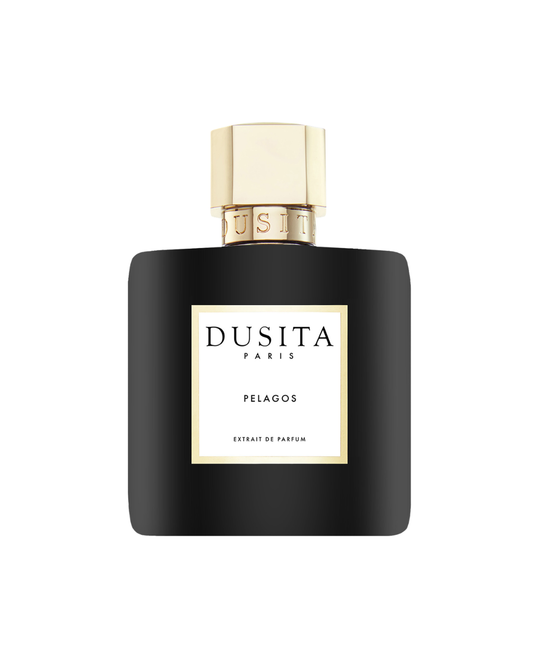
Pelagos
Pelagos conjures a sail across the open sea into a headwind, then, more...Regular price From $110.00Regular price -


1872 Feminine
1872 Feminine shares its name and heritage with its masculine counterpart, but, more...Regular price From $390.00Regular price$0.00Sale price From $390.00 -

Navis
Navis smells like a boat pushed out at dawn, pink peppercorn crackling, more...Regular price $200.00Regular price$0.00Sale price $200.00 -
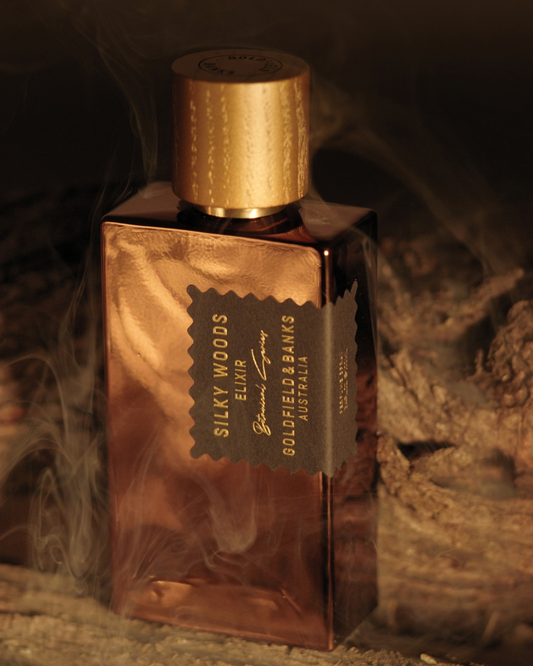

Silky Woods Elixir
by Goldfield & Banks Australia
Where the original Silky Woods stays delicate, this extrait pushes the same, more...Regular price From $73.00Regular price -


Bravery
Bravery wears like armour rather than perfume, a spiced lavender and saffron, more...Regular price $390.00Regular price -

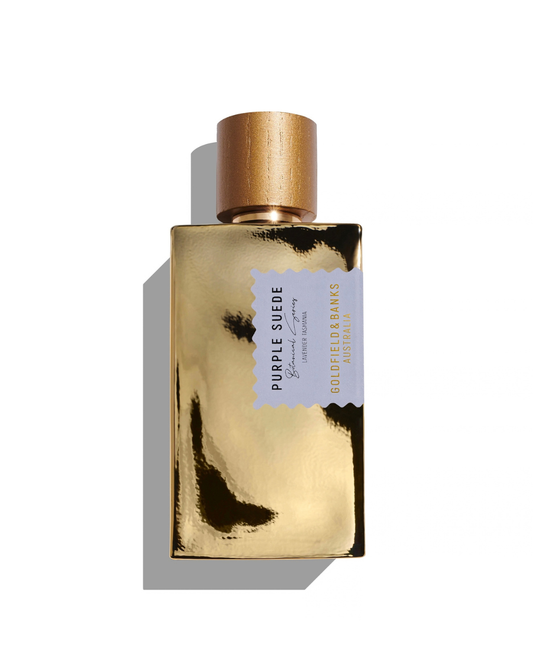
Purple Suede
by Goldfield & Banks Australia
Fields of Tasmanian lavender, crisped by fierce summer heat, meet the scent, more...Regular price From $59.00Regular price$0.00Sale price From $59.00


