


Orris
-


Rose Magnitude
by Goldfield & Banks Australia
A rose taken from a formal garden and left instead beside a, more...Regular price From $59.00Regular price$0.00Sale price From $59.00 -


Heroine
Heroine opens with a nod to old-fashioned cocktail hour, orange and bergamot, more...Regular price $535.00Regular price -


Vanille Leather
by BDK Parfums
Vanille Leather pairs a precious vanilla pod with a bouquet of white, more...Regular price From $60.00Regular price -


Hedonistic
Hedonistic, properly known as Jump up and Kiss Me Hedonistic, doesn't pretend, more...Regular price $610.00Regular price$0.00Sale price $610.00 -

Violet Sapphire Supercharged
Violet Sapphire Supercharged takes its name from a colour rather than the, more...Regular price $1,440.00Regular price -


Oud Sapphire
Oud Sapphire is a straightforward love letter to oud, one of perfumery's, more...Regular price $935.00Regular price -


Mystic Bliss
by Goldfield & Banks Australia
Juicy fig and blackcurrant are sharpened by kunzea, an Australian native shrub, more...Regular price From $45.00Regular price$0.00Sale price From $45.00 -

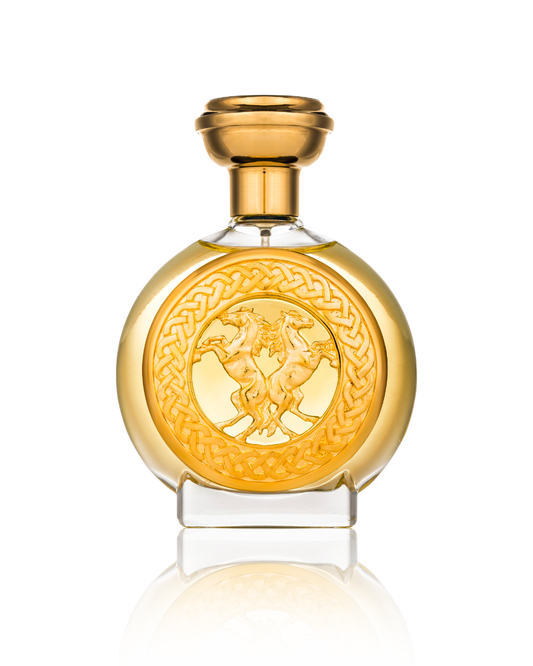
Valiant
Valiant belongs to the Chinese Year of the Horse, and it is, more...Regular price $1,230.00Regular price -


Tales Of Amber
by Goldfield & Banks Australia
At its core is ambergris from New Zealand, a rare treasure washed, more...Regular price From $73.00Regular price$0.00Sale price From $73.00 -

Amberwood
Amberwood captures amber at its most refined, smooth and almost translucent rather, more...Regular price $610.00Regular price$0.00Sale price $610.00 -


Splendiris
Splendiris is built around orris butter, the rare and costly heart of, more...Regular price From $125.00Regular price$0.00Sale price From $125.00 -

Rosarine
Rosarine takes its name from a Thai phrase for the queen of, more...Regular price From $210.00Regular price


