


Patchouli
-

Rose Sapphire
Rose Sapphire leans into the animalic side of Turkish rose rather than, more...Regular price $935.00Regular price -


Glorious
Glorious smells like wandering into an overgrown English orchard in late summer,, more...Regular price $315.00Regular price -


Rose Omeyyade
Named for the Umayyad dynasty, Rose Omeyyade conjures the lavish palaces of, more...Regular price $344.45Regular price$0.00Sale price $344.45 -


La Rhapsodie Noire
La Rhapsodie Noire imagines Paris in the roaring twenties, crossing the Pont-Neuf, more...Regular price From $75.00Regular price$0.00Sale price From $75.00 -

Violet Sapphire Supercharged
Violet Sapphire Supercharged takes its name from a colour rather than the, more...Regular price $1,440.00Regular price -
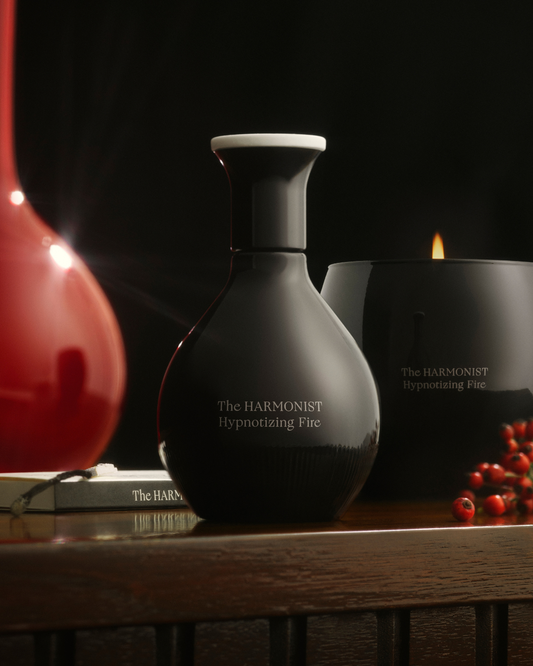

Hypnotizing Fire
Picture a candle flickering on a table set for two. Hypnotizing Fire, more...Regular price $320.00Regular price -


French Bouquet
by BDK Parfums
French Bouquet looks back to the 1970s, when Paris carried its elegance, more...Regular price $275.00Regular price$0.00Sale price $275.00 -


Sancti
Sancti opens like light through a stained-glass window, bergamot and grapefruit catching, more...Regular price $200.00Regular price$0.00Sale price $200.00 -


Silver Ceremony
by BDK Parfums
Sequins catching the light gave BDK the idea for Silver Ceremony, and, more...Regular price From $295.00Regular price$0.00Sale price From $295.00 -


Aube Rubis
Aube Rubis follows the arc of a single day, named for the, more...Regular price $330.00Regular price$0.00Sale price $330.00 -


Almas
Almas is the Arabic word for diamond, and the fragrance is built, more...Regular price $935.00Regular price -
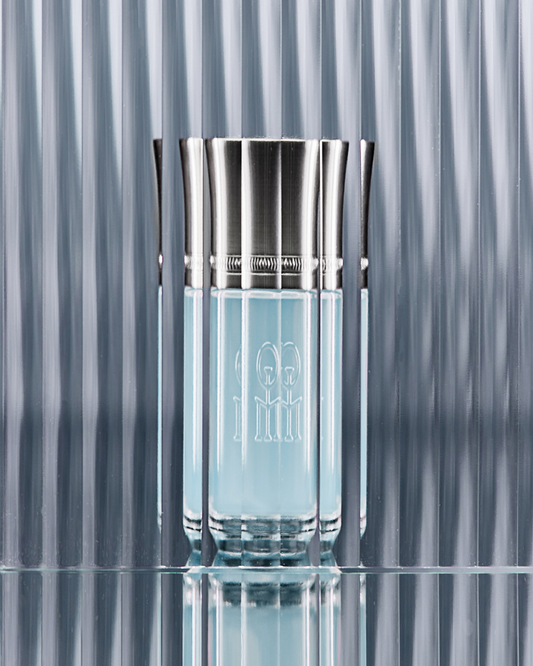

Tumultu
Tumultu is a scent that refuses to stay composed. It opens with, more...Regular price $200.00Regular price$0.00Sale price $200.00


