


Pear
-


Choeur des Anges
Choeur des Anges opens in full colour: blood orange and blackcurrant spark, more...Regular price $275.00Regular price$0.00Sale price $275.00 -

WabiSabi
WabiSabi takes its name, and its nerve, from wasabi itself, reimagined as, more...Regular price $260.00Regular price -

Up To The Moon
Up To The Moon pairs fruit with light, opening on ripe pear, more...Regular price $260.00Regular price -


Sunset Hour 2026 Christmas Box
by Goldfield & Banks Australia
As the sun drops into the Indian Ocean off Western Australia, the, more...Regular price $240.00Regular price$0.00Sale price $240.00 -


Villa Primerose
Villa Primerose returns to perfumery's own roots, a tribute to Grasse's rose, more...Regular price $330.00Regular price -


Impadia
by BDK Parfums
Impadia is built for the hour when Paris turns pink and orange, more...Regular price From $60.00Regular price$0.00Sale price From $60.00 -

Violet Sapphire Supercharged
Violet Sapphire Supercharged takes its name from a colour rather than the, more...Regular price $1,440.00Regular price -


Bouquet de Hongrie
by BDK Parfums
Bouquet de Hongrie follows a morning ritual, bare feet on a mirrored, more...Regular price From $60.00Regular price$0.00Sale price From $60.00 -


Pas ce Soir Extrait de Parfum
by BDK Parfums
Pas ce Soir Extrait de Parfum keeps the original's cabaret spirit but, more...Regular price From $80.00Regular price -
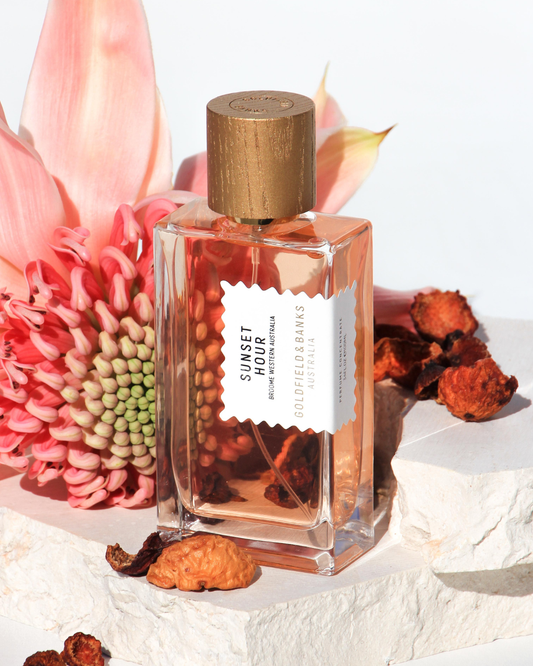

Sunset Hour
by Goldfield & Banks Australia
As the sun drops into the Indian Ocean off Western Australia, the, more...Regular price From $45.00Regular price$0.00Sale price From $45.00 -


Dom Rosa
Dom Rosa pours on like pink champagne caught mid-toast, grapefruit and pear, more...Regular price $136.00Regular price$0.00Sale price $136.00 -


Golden Wood
Golden Wood leans gourmand without ever tipping into dessert territory. Bergamot, mandarin, more...Regular price $285.00Regular price


