


Petitgrain
-

Almond Harmony
Almond Harmony marks the first blossom in what THoO calls the garden, more...Regular price $260.00Regular price$0.00Sale price $260.00 -
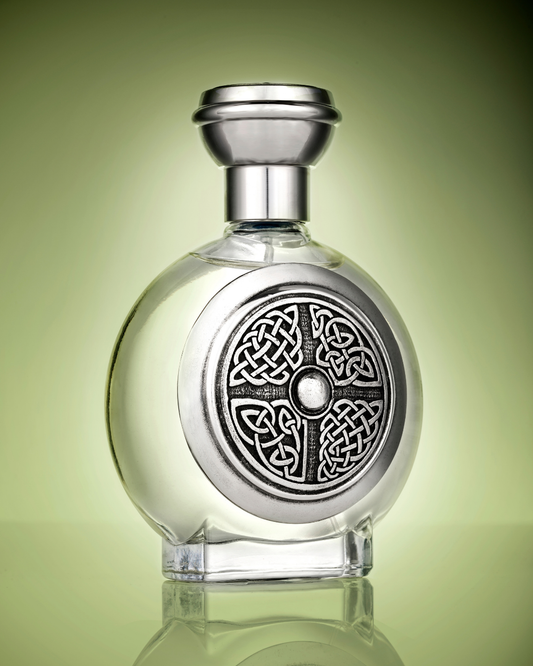

Energizer
Energizer starts like a cold shower of grapefruit, lime and bergamot, sharp, more...Regular price $315.00Regular price -


Consort
Consort opens with real conviction, a rush of bergamot, lime and juniper, more...Regular price $535.00Regular price -


1872 Masculine
1872 Masculine takes its name from the year Clive Christian's Crown Perfumery, more...Regular price From $390.00Regular price$0.00Sale price From $390.00 -

WabiSabi
WabiSabi takes its name, and its nerve, from wasabi itself, reimagined as, more...Regular price $260.00Regular price -

Iconic Masculine
Iconic Masculine brings back one of the house's most cherished fragrances, opening, more...Regular price $500.00Regular price -

Buveur de Vent
Buveur de Vent takes its name from the Arabian horses said to, more...Regular price $200.00Regular price$0.00Sale price $200.00 -


Blanc Polychrome
Blanc Polychrome moves with the casual confidence of a cologne, bright and, more...Regular price $275.00Regular price$0.00Sale price $275.00 -

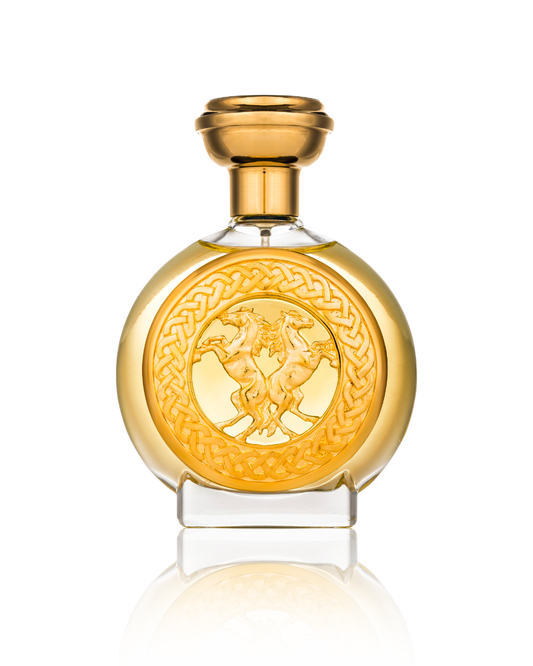
Valiant
Valiant belongs to the Chinese Year of the Horse, and it is, more...Regular price $1,230.00Regular price -


Montri
Montri is named for the poet father of Dusita's founder, and it, more...Regular price From $125.00Regular price$0.00Sale price From $125.00 -


Villa Neroli
by BDK Parfums
Villa Neroli takes its cue from Capri, where the light of a, more...Regular price $290.00Regular price$0.00Sale price $290.00


