


Rose
-


Lavish
Lavish takes its name seriously from the first spray, lemon and bergamot, more...Regular price $535.00Regular price -


Heroine
Heroine opens with a nod to old-fashioned cocktail hour, orange and bergamot, more...Regular price $535.00Regular price -


No. 1 Masculine
No. 1 Masculine doesn't raise its voice to be noticed. Built as, more...Regular price $790.00Regular price$0.00Sale price $790.00 -


Nemer
Nemer means tiger in Arabic, and the name points to Tiger Oud,, more...Regular price $625.00Regular price -


Glorious
Glorious smells like wandering into an overgrown English orchard in late summer,, more...Regular price $315.00Regular price -


Rose Omeyyade
Named for the Umayyad dynasty, Rose Omeyyade conjures the lavish palaces of, more...Regular price $344.45Regular price$0.00Sale price $344.45 -


Royal Earth
Royal Earth is built for grounding rather than grandeur. Carrot seed and, more...Regular price $320.00Regular price -


Guilty Crush
Guilty Crush takes its cue from an unlikely muse: lipstick, and the, more...Regular price From $54.00Regular price -


French Bouquet
by BDK Parfums
French Bouquet looks back to the 1970s, when Paris carried its elegance, more...Regular price $275.00Regular price$0.00Sale price $275.00 -
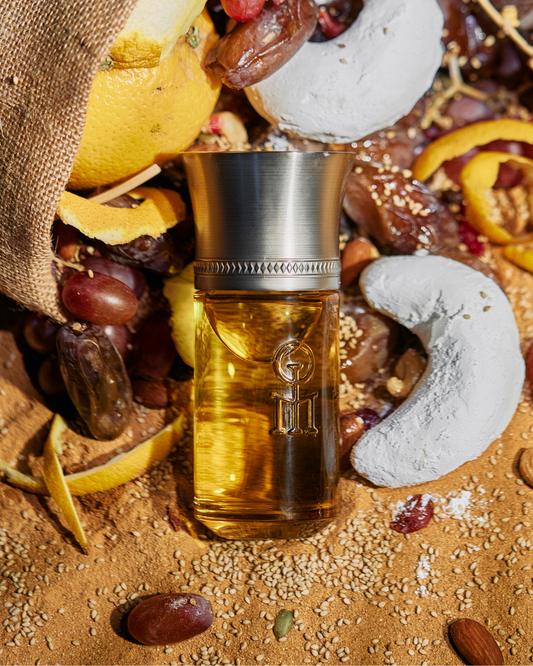

Désert Suave
Désert Suave opens like heat shimmering over sand, cardamom and mandarin bright, more...Regular price $200.00Regular price$0.00Sale price $200.00 -


Nuit de Sable
by BDK Parfums
Nuit de Sable unfolds in the gardens of the Palais Royal, where, more...Regular price $230.00Regular price$0.00Sale price $230.00 -


White Sandalwood
by Goldfield & Banks Australia
White sandalwood and amber form a comforting foundation here, warmed further by, more...Regular price $240.00Regular price$0.00Sale price $240.00


