


Sandalwood
-

Violet Sapphire Supercharged
Violet Sapphire Supercharged takes its name from a colour rather than the, more...Regular price $1,440.00Regular price -


Gris Charnel Extrait
by BDK Parfums
Gris Charnel Extrait takes the original's signature and pushes it further into, more...Regular price From $80.00Regular price$0.00Sale price From $80.00 -
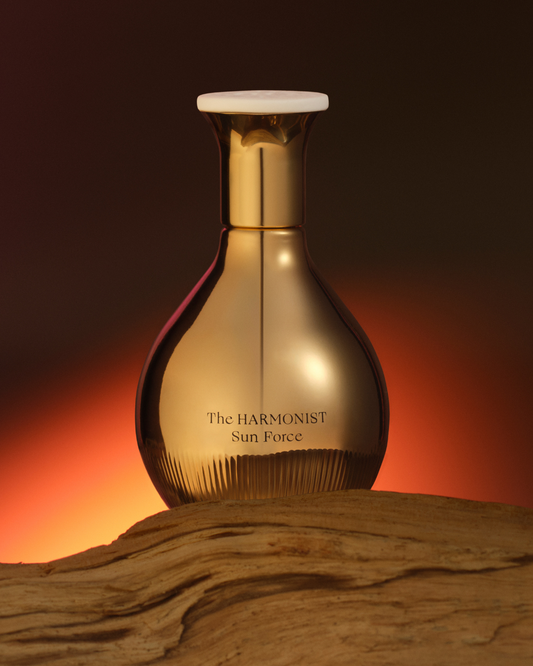

Sun Force
Sun Force is built around pure, uncomplicated vitality. Hawaiian pomelo opens it, more...Regular price $350.00Regular price -


Oud Sapphire
Oud Sapphire is a straightforward love letter to oud, one of perfumery's, more...Regular price $935.00Regular price -

Buveur de Vent
Buveur de Vent takes its name from the Arabian horses said to, more...Regular price $200.00Regular price$0.00Sale price $200.00 -


French Bouquet
by BDK Parfums
French Bouquet looks back to the 1970s, when Paris carried its elegance, more...Regular price $275.00Regular price$0.00Sale price $275.00 -


Aqua Sapphire
Aqua Sapphire moves like a day spent between island nations, opening with, more...Regular price $935.00Regular price -


Oudh Infini
Oudh Infini opens like dawn breaking over Bangkok, a thin gold line, more...Regular price From $200.00Regular price$0.00Sale price From $200.00 -


Almas
Almas is the Arabic word for diamond, and the fragrance is built, more...Regular price $935.00Regular price -
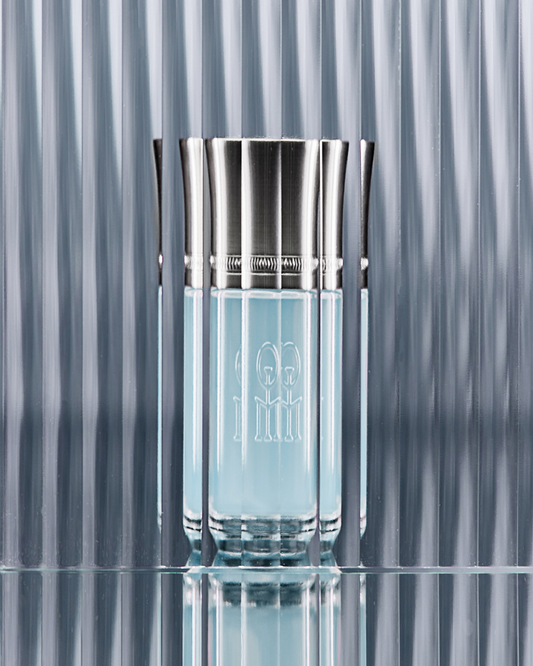

Tumultu
Tumultu is a scent that refuses to stay composed. It opens with, more...Regular price $200.00Regular price$0.00Sale price $200.00 -


Nuit de Sable
by BDK Parfums
Nuit de Sable unfolds in the gardens of the Palais Royal, where, more...Regular price $230.00Regular price$0.00Sale price $230.00 -


Fortis
Fortis moves like ink across paper, dark and deliberate. Saffron strikes the, more...Regular price $136.00Regular price$0.00Sale price $136.00


