


Tuberose
-

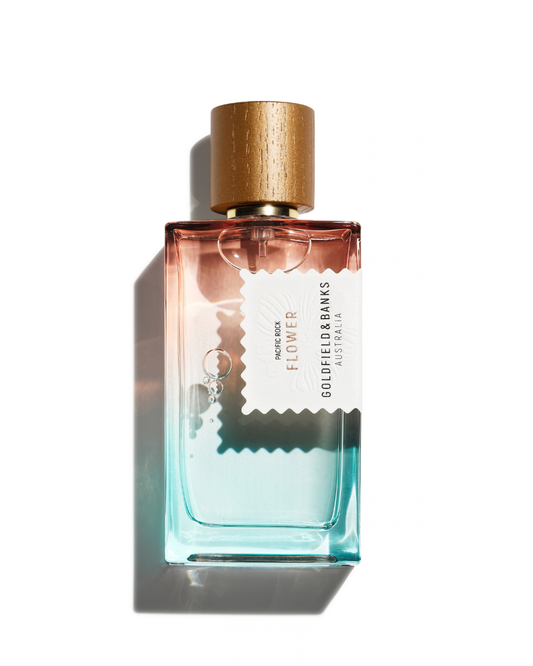
Pacific Rock Flower
by Goldfield & Banks Australia
Along Australia's east coast, the native coastal tea tree blooms in delicate, more...Regular price From $45.00Regular price -

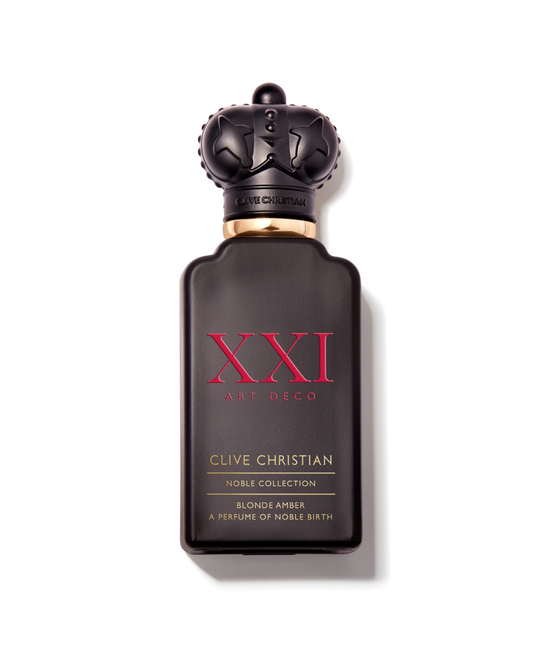
Blonde Amber
Blonde Amber takes its inspiration from the glamour of the Art Deco, more...Regular price $610.00Regular price$0.00Sale price $610.00 -

Jump up and Kiss Me Ecstatic
Jump up and Kiss Me Ecstatic is built around tuberose, a flower, more...Regular price $610.00Regular price -

Neverending
Neverending imagines a journey to the moon: the cold vulnerability of open, more...Regular price $260.00Regular price$0.00Sale price $260.00 -

Ruby Red
Ruby Red belongs to THoO's tribute to the British royal family, named, more...Regular price $295.00Regular price$0.00Sale price $295.00 -


Vanille Leather
by BDK Parfums
Vanille Leather pairs a precious vanilla pod with a bouquet of white, more...Regular price From $60.00Regular price -


Anamcara
Anamcara takes its name from the Gaelic term for a soul friend,, more...Regular price From $125.00Regular price$0.00Sale price From $125.00 -


Melodie d'Amour
Mélodie de l'Amour reads like a love letter, opening with the soft, more...Regular price From $180.00Regular price$0.00Sale price From $180.00 -


Cavatina
Cavatina is named for a short, lyrical piece of music, and it, more...Regular price From $125.00Regular price$0.00Sale price From $125.00 -


Pacific Rock Flower 2026 Christmas Box
by Goldfield & Banks Australia
A full bottle of Pacific Rock Moss paired with a travel spray, more...Regular price $240.00Regular price -
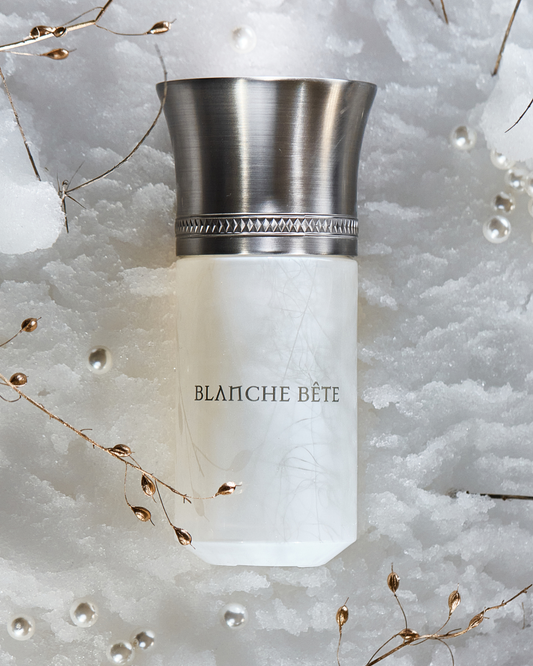

Blanche Bête
Blanche Bête opens soft, almost edible, a milk accord blurring into ambrette, more...Regular price $280.00Regular price$0.00Sale price $280.00


