


Vanilla
-


Pas ce Soir Extrait de Parfum
by BDK Parfums
Pas ce Soir Extrait de Parfum keeps the original's cabaret spirit but, more...Regular price From $80.00Regular price -

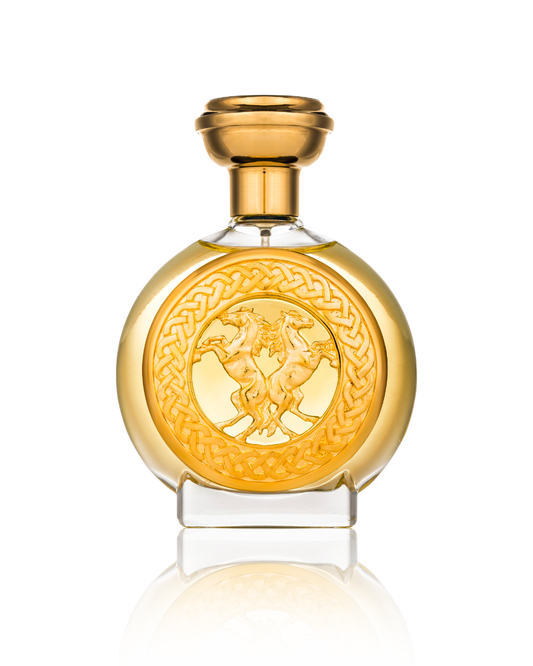
Valiant
Valiant belongs to the Chinese Year of the Horse, and it is, more...Regular price $1,230.00Regular price -
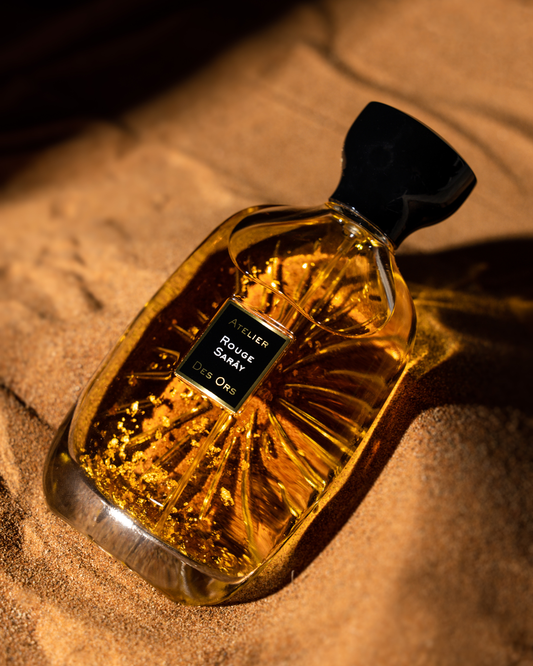

Rouge Sarây
Rouge Sarây imagines the caravans that once crossed the ancient trade routes, more...Regular price $330.00Regular price$0.00Sale price $330.00 -


Monarch
Monarch carries itself with a certain reserve, the kind of scent that, more...Regular price $315.00Regular price -

Amberwood
Amberwood captures amber at its most refined, smooth and almost translucent rather, more...Regular price $610.00Regular price$0.00Sale price $610.00 -


Empire
Empire opens on plush peach and plum, softened by Sicilian bergamot and, more...Regular price $535.00Regular price -


Vanille Caviar
by BDK Parfums
Vanille Caviar treats black not as absence but as a source of, more...Regular price $290.00Regular price -
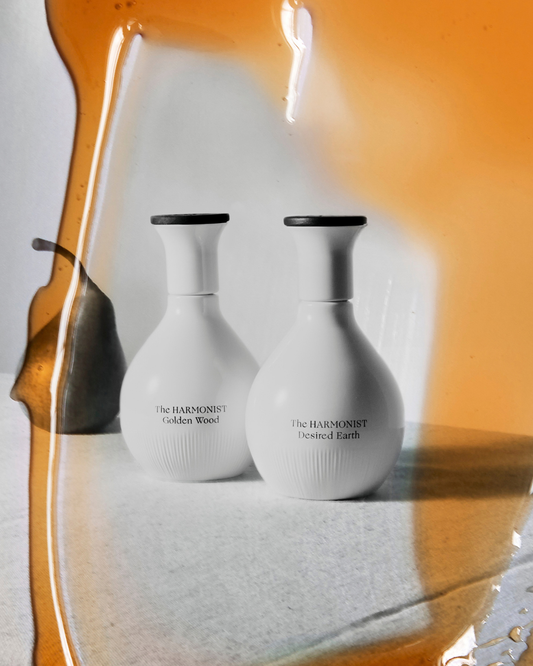

Desired Earth
Desired Earth is the scent of standing on a mountain ridge with, more...Regular price $285.00Regular price -

Amber Sapphire
Amber Sapphire opens with an odd, satisfying trick: the green citrus zing, more...Regular price $935.00Regular price -


No1 Feminine
No1 Feminine opens on a succulent mix of plum, white peach, lemon, more...Regular price $790.00Regular price -


La Douceur de Siam
La Douceur de Siam feels like wandering into a spice garden after, more...Regular price From $125.00Regular price$0.00Sale price From $125.00 -


Splendiris
Splendiris is built around orris butter, the rare and costly heart of, more...Regular price From $125.00Regular price$0.00Sale price From $125.00


