


Vetiver
-


French Bouquet
by BDK Parfums
French Bouquet looks back to the 1970s, when Paris carried its elegance, more...Regular price $275.00Regular price$0.00Sale price $275.00 -


Sancti
Sancti opens like light through a stained-glass window, bergamot and grapefruit catching, more...Regular price $200.00Regular price$0.00Sale price $200.00 -

Gambling
Gambling sets the scene of a smoky, late-night card table, cards face, more...Regular price $260.00Regular price -


Fortis
Fortis moves like ink across paper, dark and deliberate. Saffron strikes the, more...Regular price $136.00Regular price$0.00Sale price $136.00 -


Envious
Envious opens on a rush of bergamot and mandarin softened by sage,, more...Regular price $390.00Regular price -

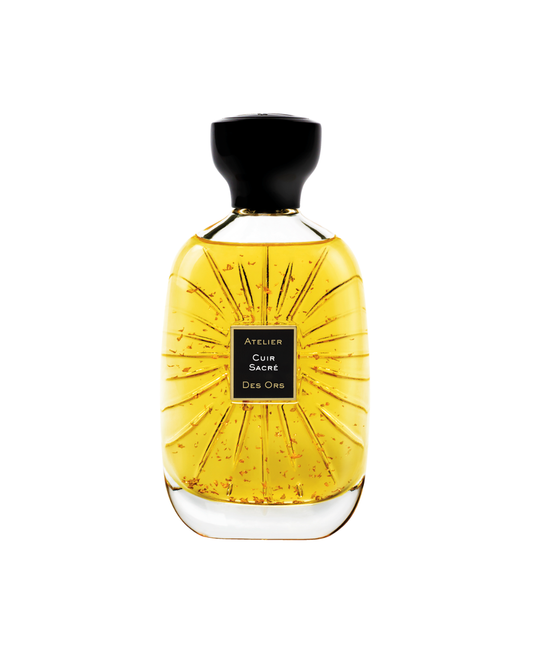
Cuir Sacré
Cuir Sacré was imagined on a walk through the old town of, more...Regular price $330.00Regular price$0.00Sale price $330.00 -


White Sandalwood
by Goldfield & Banks Australia
White sandalwood and amber form a comforting foundation here, warmed further by, more...Regular price $240.00Regular price$0.00Sale price $240.00 -

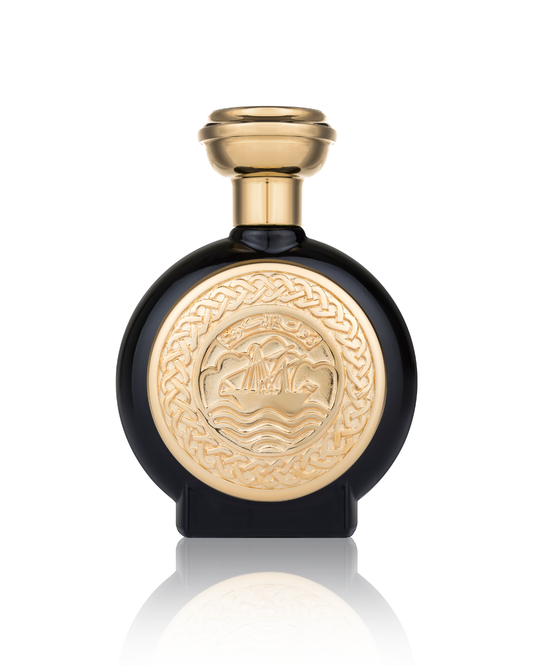
Dasman
Dasman is named for a seaside district of Kuwait City, once home, more...Regular price $685.00Regular price -


Timeless
Timeless takes its cue from a classic Victorian cologne, then loosens its, more...Regular price $395.00Regular price$0.00Sale price $395.00Sold out -
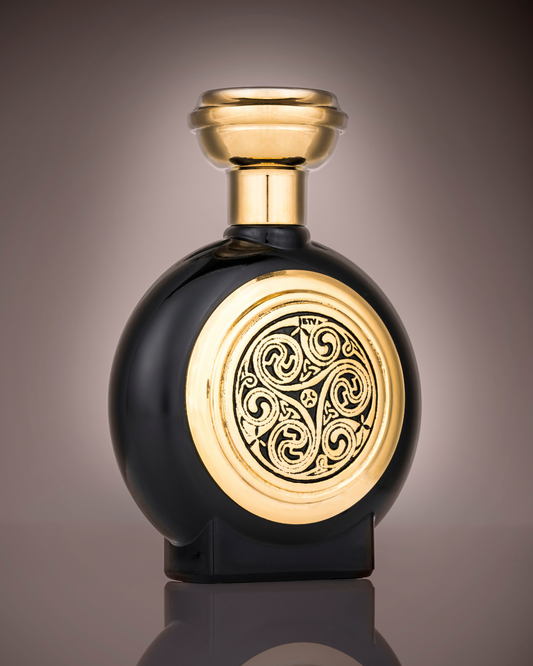

Angelic
Angelic plays on its own name, opening crisp and slightly tart with, more...Regular price $935.00Regular price -


Montri
Montri is named for the poet father of Dusita's founder, and it, more...Regular price From $125.00Regular price$0.00Sale price From $125.00 -
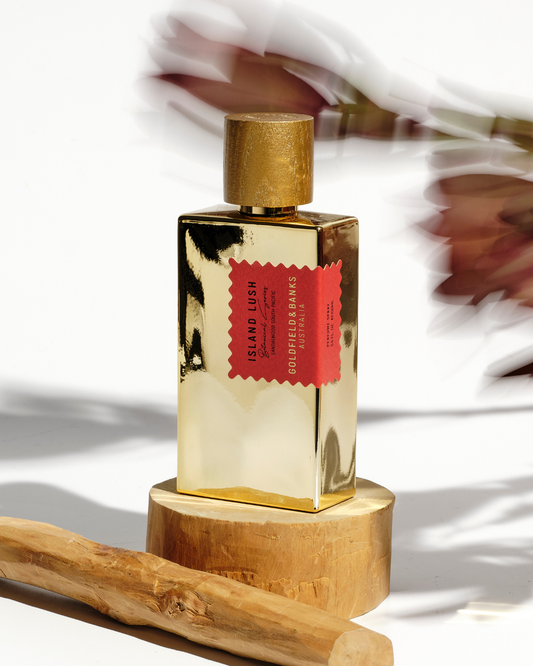
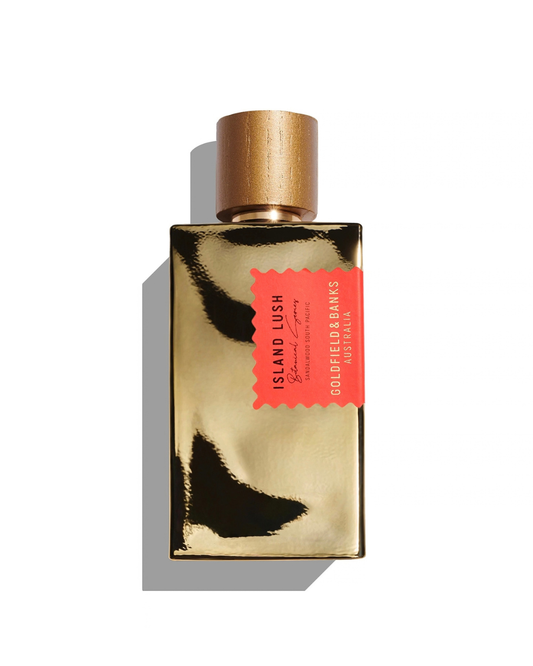
Island Lush
by Goldfield & Banks Australia
Two sandalwoods meet here: a buttery South Pacific variety rich in vanilla, more...Regular price From $59.00Regular price$0.00Sale price From $59.00


