


Ylang Ylang
-

Almond Harmony
Almond Harmony marks the first blossom in what THoO calls the garden, more...Regular price $260.00Regular price$0.00Sale price $260.00 -
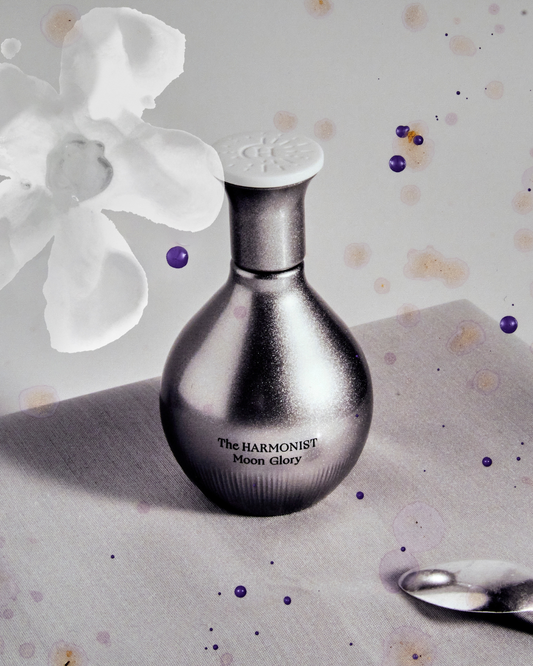

Moon Glory
Moon Glory belongs to the hour after dusk, when white flowers finally, more...Regular price $350.00Regular price -

WabiSabi
WabiSabi takes its name, and its nerve, from wasabi itself, reimagined as, more...Regular price $260.00Regular price -

Jump up and Kiss Me Ecstatic
Jump up and Kiss Me Ecstatic is built around tuberose, a flower, more...Regular price $610.00Regular price -

Light of Bangkok
Light of Bangkok was created with Mandarin Oriental, Bangkok to mark the, more...Regular price $230.00Regular price -

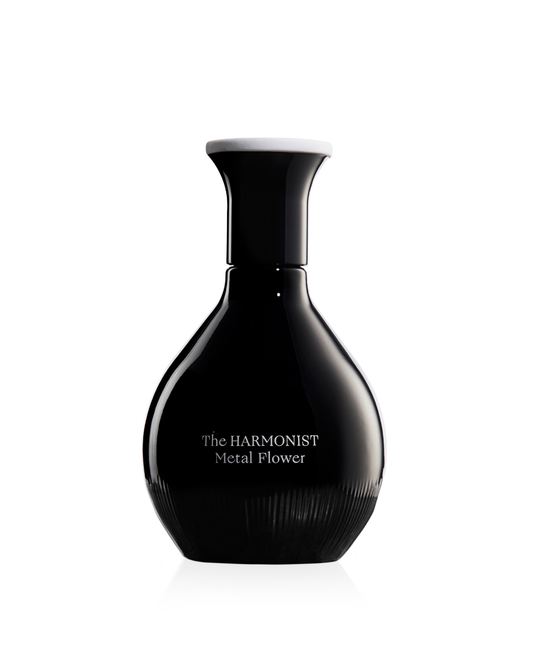
Metal Flower
Metal Flower takes the rose and keeps its thorns intact. Rosoxydes and, more...Regular price $320.00Regular price -


Tubéreuse Imperiale
by BDK Parfums
Tubéreuse Imperiale moves the way BDK describes it, with the composed, unhurried, more...Regular price From $60.00Regular price$0.00Sale price From $60.00 -

Ruby Red
Ruby Red belongs to THoO's tribute to the British royal family, named, more...Regular price $295.00Regular price$0.00Sale price $295.00 -


L'Explicite
L'Explicite doesn't ask permission, opening on ylang-ylang and lemon zest before turning, more...Regular price From $54.00Regular price -
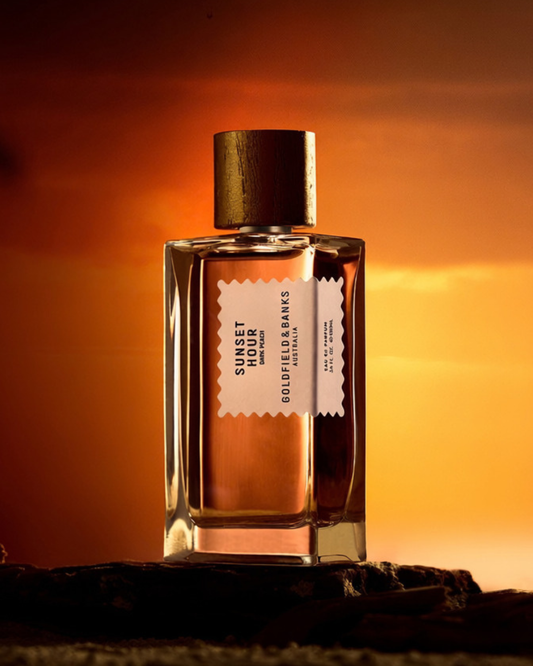

Sunset Hour Dark Peach
by Goldfield & Banks Australia
This is Sunset Hour immersed in rum, a richer and more indulgent, more...Regular price From $45.00Regular price -


No. 1 Masculine
No. 1 Masculine doesn't raise its voice to be noticed. Built as, more...Regular price $790.00Regular price$0.00Sale price $790.00 -


Nemer
Nemer means tiger in Arabic, and the name points to Tiger Oud,, more...Regular price $625.00Regular price


